

Introduction
The fashion internship is the industry’s standard entry point. Almost every professional working in fashion today started with an internship. It is how the industry filters for passion, resilience, and real-world competence — and it is how young fashion professionals build the portfolio pieces, references, and network connections that lead to employment.
This guide gives you everything you need: where to find fashion internship opportunities, how to prepare an application that stands out, what to expect once you’re there, and how to leverage the experience into a career.
Table of Contents
- Introduction
- Types of Fashion Internships
- Are Fashion Internships Paid?
- Where to Find Fashion Internship Opportunities
- When to Apply for Fashion Internships
- Building a Strong Application
- Essential Skills for Fashion Interns
- The Cover Letter
- The Portfolio
- What to Expect During a Fashion Internship
- Best Cities for Fashion Internships
- Turning Your Internship Into a Job
- Fashion Internship FAQ
Types of Fashion Internships
Design Internship: Working with a design team on concept development, fabric sourcing, sketching, sample management, and production tracking. The most sought-after and competitive category.
Fashion PR Internship: Supporting media relations, event coordination, sample management for press loans, and influencer outreach. Excellent for building industry contacts.
Fashion Editorial Internship: At magazines, digital publications, or content studios. Supporting editors, organizing shoots, researching trends, writing captions and copy.
Fashion Styling Internship: Assisting stylists on editorial, commercial, or celebrity shoots. The standard entry into professional styling.
Buying and Merchandising Internship: Supporting retail buyers with market research, vendor management, trend analysis, and inventory planning.
Marketing and Social Media Internship: Content creation, social media management, campaign coordination for fashion brands.
Sustainability and CSR Internship: Growing category as brands build dedicated sustainability teams.
Are Fashion Internships Paid?
Fashion internships vary widely in compensation depending on the company, country, and legal regulations.
Historically, many internships in major fashion capitals such as New York, London, Paris, and Milan were unpaid. However, labor regulations and industry pressure have increasingly pushed brands to offer paid internships, stipends, or academic credit.
Large brands, retailers, and media organizations often offer:
Hourly pay
Monthly stipends
Travel or meal allowances
Academic credit through universities
Smaller fashion houses and independent designers may offer experience, mentorship, and portfolio exposure rather than direct payment.
When evaluating an internship opportunity, consider:
Skills you will gain
Industry exposure
Mentorship opportunities
Potential job prospects afterward

Fashion industry professional office and design workspace showing creative team
Where to Find Fashion Internship Opportunities
Direct Applications (Best Method)
The most effective approach is also the most effortful: research brands you genuinely want to work for and apply directly, whether or not they’ve advertised an opening.
A well-researched, well-written email to a brand’s HR team or hiring manager — with a strong portfolio link — can create an internship opportunity that didn’t formally exist. Small brands especially fill positions this way.
Research tip: Follow brands on LinkedIn. When employees post about team expansions or new seasons, that’s the moment to reach out.
Job Boards and Platforms
- **LinkedIn:** The best platform for legitimate fashion industry listings
- **Indeed:** Broad reach; quality varies
- **Fashionista.com/jobs:** Fashion-specific job board
- **Business of Fashion jobs board:** High-quality listings, global
- **WWD Classifieds:** Industry-standard listings
- **Stylecareers.com:** Fashion-focused US platform
- **Graduate Fashion Week (UK):** Excellent resource for recent graduates
Networking Events and Fashion Weeks
Industry events — graduate shows, fashion week presentations, trade shows — are often where internships are filled through personal connections. Go to every industry event you can access and be genuinely curious about the work of the people you meet.
University Career Services
Fashion schools (Parsons, FIT, Central Saint Martins, RCA) have dedicated industry partnerships and placement services. Use every resource your institution provides.
When to Apply for Fashion Internships
Fashion internships are usually organized around seasonal fashion cycles.
| Internship Season | Typical Application Period |
|---|---|
| Spring internships | October – December |
| Summer internships | January – March |
| Fall internships | May – July |
Highly competitive brands may recruit three to six months in advance, so early preparation is essential.
Students should prepare their portfolio, CV, and cover letter well before the application window opens.
Building a Strong Application
What Fashion Employers Look For
Portfolio: For design and styling roles, a portfolio is the primary evaluation criterion. For other roles, it is often a secondary factor but should still reflect fashion sensibility.
Cultural fit: Do you understand and love the brand? A cover letter that demonstrates genuine familiarity with the brand — its aesthetic, its recent campaigns, its values — stands out dramatically from generic applications.
Professionalism and attention to detail: In an industry obsessed with presentation, how you present yourself in application materials directly signals how you’ll represent the brand.
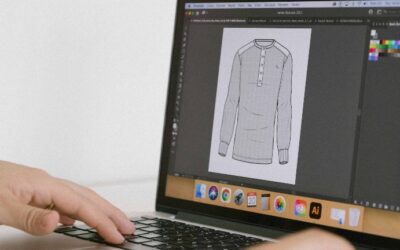
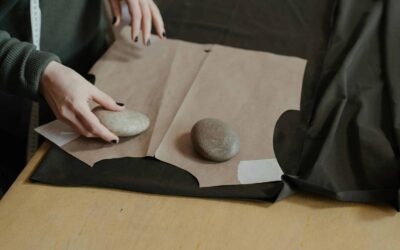
Relevant skills: What specific skills do you bring? For editorial: writing, photography, research. For design: software proficiency (Illustrator, CLO 3D), sketching, pattern knowledge. For marketing: social media proficiency, content creation, analytics.
The Cover Letter
Fashion cover letters are read more carefully than in many industries. Avoid generic templates. Write specifically:
- Why this brand specifically (not “fashion” generically)
- What you bring that’s relevant to this specific role
- One concrete example of relevant work or experience
- Your genuine enthusiasm, expressed authentically (not effusively)
Length: 3–4 paragraphs. No longer. Editors and fashion directors read hundreds — brevity with substance wins.
The Portfolio
Make it easy to view: a clean website with a clear URL. Not a Dropbox link requiring download. Not a password-protected page.
Ensure it loads quickly on mobile. Test it on a phone before submitting.
Send the portfolio link prominently in the email body — don’t make the reader work to find it.
Essential Skills for Fashion Interns
Successful fashion interns combine creative ability, organization, and strong work ethic.
Important skills include:
Adobe Illustrator and Photoshop
Digital fashion tools such as CLO 3D
Trend research and visual analysis
Garment handling and sample organization
Social media and digital marketing skills
Fashion writing and communication
Attention to detail and time management
Even for non-design roles, fashion awareness and strong aesthetic judgment are highly valued.
What to Expect During a Fashion Internship
The Reality
Fashion internships are known for hard work, limited glamour, and steep learning curves. The work typically includes a significant amount of administrative and physical tasks: logging samples, steaming garments, running errands, organizing showrooms, and data entry alongside the more exciting design or editorial work.
This is normal. Every person who has succeeded in fashion has spent time steaming garments at 7am. The tasks are not beneath you — they are the entry-level apprenticeship through which you earn trust, demonstrate attitude, and begin building relationships.
What distinguishes interns who get hired from those who don’t:
- Proactive problem-solving (offering solutions, not just raising problems)
- Genuine curiosity about every aspect of the business
- Impeccable attention to detail
- Being reliably on time, every time
- Making the people around them look good
Ask Intelligent Questions
The learning value of an internship scales with the questions you ask. When you finish tasks, ask to observe meetings. Ask for context about why decisions are made. Ask for feedback on your work. Intellectual curiosity is noticed and appreciated.

Fashion industry networking event with young professionals connecting

Kazi Purba in a Networking event connecting with the Global Change Award winners arranged by H&M Foundation in Hurley, London, UK. Courtesy: H&M Foundation
Best Cities for Fashion Internships
Fashion internship opportunities are concentrated in the world’s major fashion capitals.
New York – Fashion publishing, retail headquarters, and design studios.
London – Strong fashion education ecosystem and emerging designers.
Paris – Luxury fashion houses and couture brands.
Milan – Major fashion manufacturing and luxury brands.
Los Angeles – Celebrity styling, costume design, and fashion media.
Students interested in global careers often seek internships in these cities to build international industry networks.
Turning Your Internship Into a Job
The best outcome of a fashion internship is a job offer — or at minimum, a strong reference and an expanded network.
Tell them you want to stay. Don’t assume your supervisor knows you’re interested in a full-time position. Tell them directly and professionally near the end of your internship.
Document your contributions. Keep a record of projects you contributed to, results you achieved, and skills you developed. This becomes your pitch for a permanent role.
Stay in touch after the internship ends. A brief email every 3–4 months maintaining the relationship — sharing something relevant to their work, congratulating on a collection launch — keeps you in their mind when a position opens.
Fashion Internship FAQ
How do you get a fashion internship?
You can secure a fashion internship by researching brands, preparing a strong portfolio or CV, networking at industry events, and applying through job boards or direct email applications.
Are fashion internships paid?
Some fashion internships are paid, particularly at large brands and retailers, while others may offer stipends or academic credit depending on the company and country.
What skills do fashion interns need?
Fashion interns benefit from skills such as design software proficiency, organization, fashion trend awareness, communication, and strong attention to detail.
How long do fashion internships last?
Most fashion internships last between three and six months depending on the company and the internship program.
Can a fashion internship lead to a job?
Yes. Many professionals in the fashion industry start their careers through internships that later lead to full-time employment or strong industry references.
Continue Reading on Fashionnovation.com:
- Fashion Brand Development: All You Need to Know
- How to Become a Fashion Stylist — fashionnovation.com/how-to-become-fashion-stylist
- How to Build a Fashion Portfolio — fashionnovation.com/fashion-portfolio-tips
- How to Start a Fashion Design Career: The Complete 2026 Guide
You can write to us at fashionnovationfd@gmail.com
We read and publish your articles!

0 Comments