
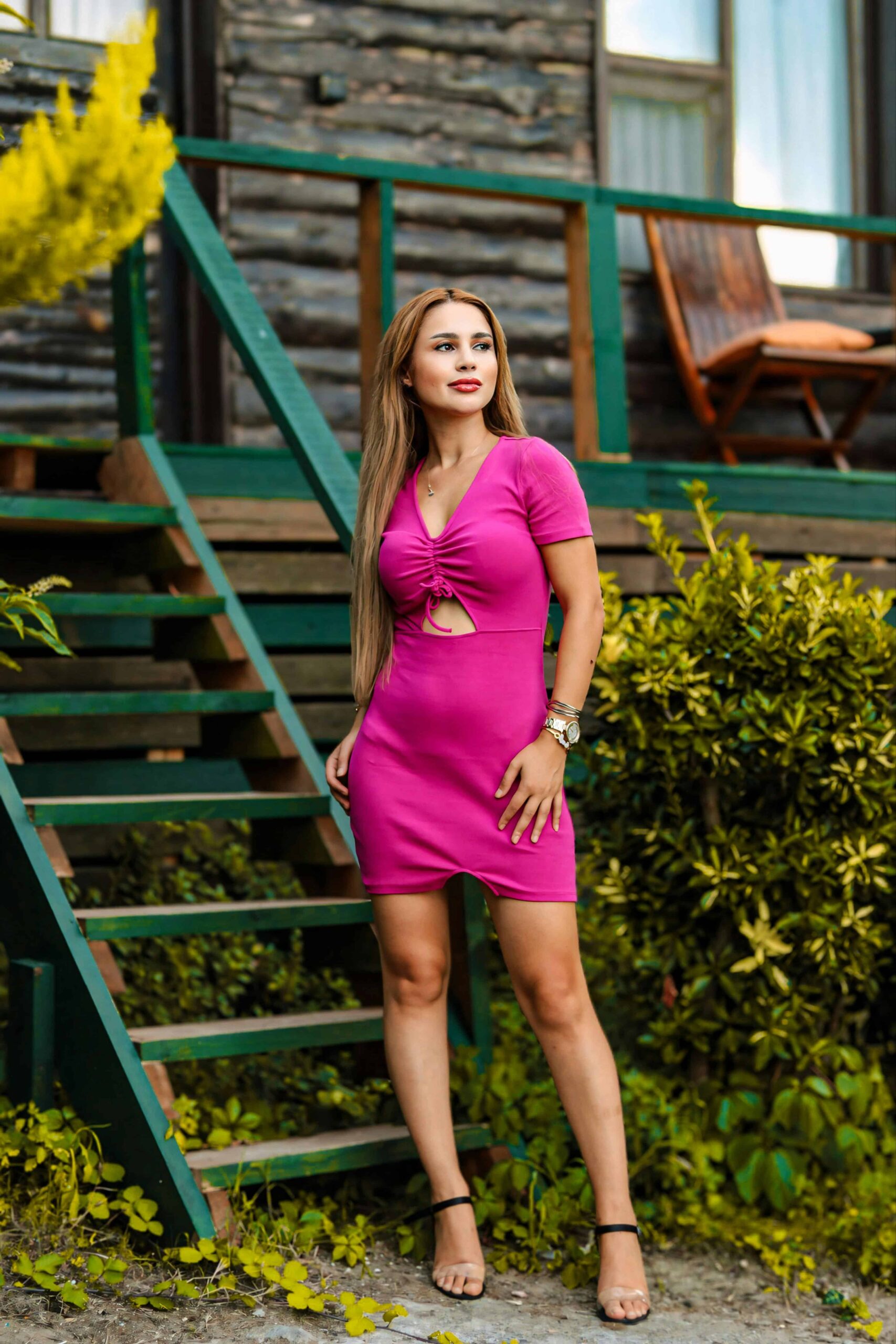
Introduction
Every body is different. Every body is beautiful. And every body looks its absolute best when dressed with intention and an understanding of proportion.
Dressing for your body type is not about hiding or changing your body — it’s about understanding how clothing interacts with your specific proportions and using that knowledge to choose pieces that flatter, balance, and celebrate the body you live in. When you understand the relationship between your body’s silhouette and clothing silhouettes, getting dressed becomes genuinely exciting rather than frustrating.
This guide covers all major body shapes, with specific, practical advice on the most flattering clothing styles for each.
A Note on Body Positivity and Fashion
Before we dive in: there are no bad body types. Fashion has historically promoted a very narrow range of body ideals, and that is changing — rightly so.
The goal of dressing for your body type is not to conform to any ideal, but to use the principles of proportion and balance to create outfits that make you feel confident and empowered. Some days, proportion and balance are the priority. Other days, wearing exactly what you love matters more. Both are valid. Use this guide as a tool, not a rulebook.
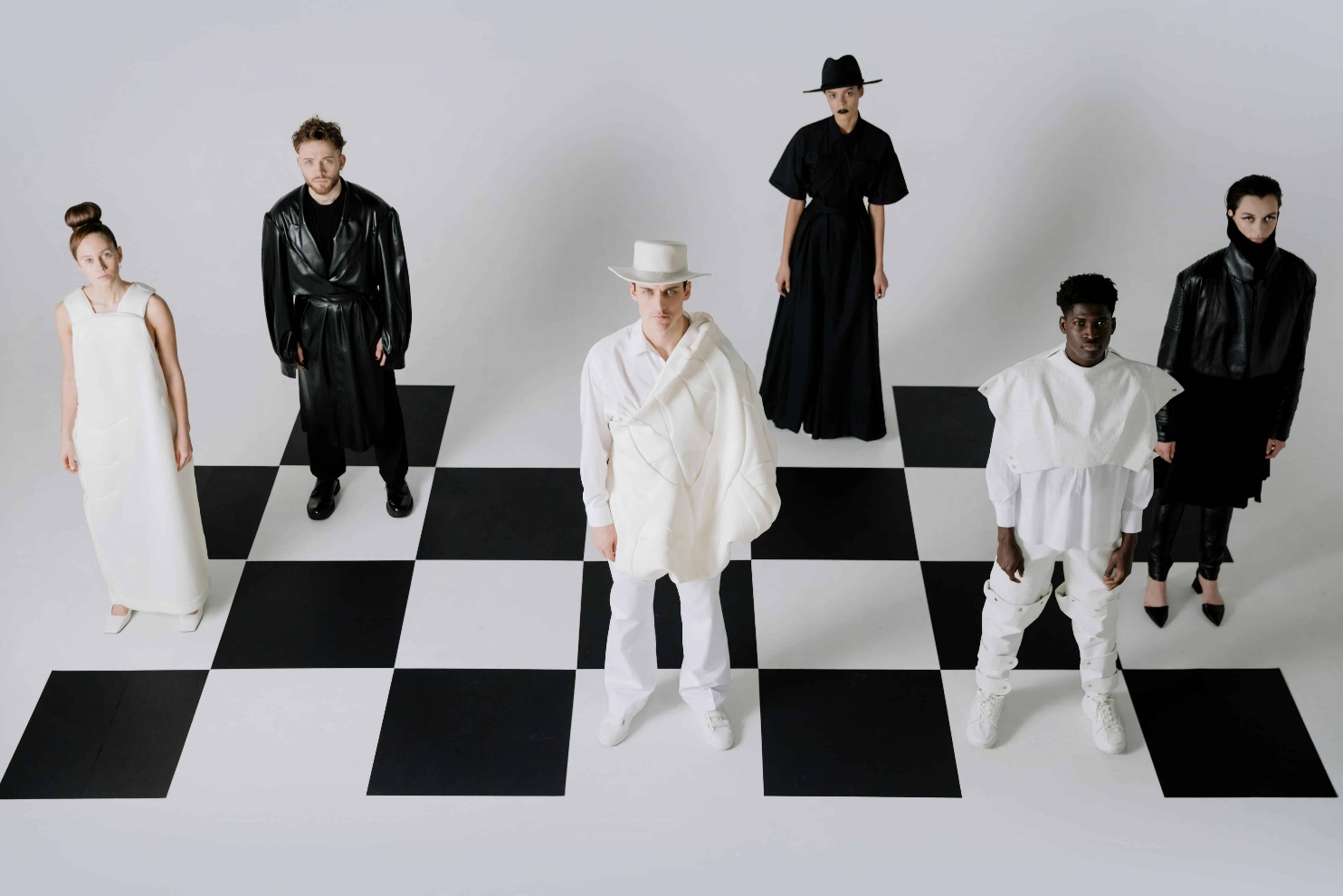
Various outfit styling options showing different proportion combinations
Understanding Body Types
Body types (also called body shapes or silhouettes) describe the general distribution of mass and proportion across the torso, hips, and shoulders. Common frameworks use fruit names (apple, pear), letters (H, A, V, X), or geometric descriptions.
This guide uses the most widely recognized letter/geometric framework:
- **Hourglass (X shape):** Shoulders and hips are roughly equal width; waist is noticeably narrower
- **Pear / Triangle (A shape):** Hips are wider than shoulders
- **Inverted Triangle (V shape):** Shoulders are wider than hips
- **Rectangle (H shape):** Shoulders, waist, and hips are roughly equal width
- **Apple / Round (O shape):** Weight concentrated around the mid-section; bust and hips may be similar width
Hourglass Body Type
Characteristics: Balanced shoulder and hip width with a defined, narrow waist. Often considered the “classic” fashion figure.
What Works Best
Fitted and tailored pieces: Your most defining feature is your waist. Clothes that follow your curves and acknowledge your waist are universally flattering — fitted dresses, wrap dresses, belted styles.
Wrap dresses and tops: The V-neck wrap creates a defined waistline naturally. One of the most universally recommended silhouettes for hourglass figures.
Stretchy fabrics that follow the body: Jersey, ponte, and stretchy knits accommodate your curves without adding bulk.
High-waisted bottoms: High-waist trousers, skirts, and jeans emphasize your waist and elongate the leg.
Pencil skirts: Hug the hip and thigh while tapering at the knee — showcases hourglass curves perfectly.
What to Be Mindful Of
Oversized/boxy silhouettes: Can hide your waist entirely, losing the defining feature of your shape. If you love oversized styling, balance with fitted bottoms.
Very stiff fabrics: Structured fabrics that don’t follow the body’s curves can appear boxy on an hourglass figure. Choose draping fabrics.
Pear / Triangle Body Type
Characteristics: Hips and thighs are wider than the shoulders and bust. Weight concentrated in lower body. Usually has a defined waist.
What Works Best
A-line skirts and dresses: Gently flare from the hip, moving away from the body at the widest point and creating a graceful, balanced silhouette.
Dark-colored bottoms: Dark trousers or skirts create a visually slimming effect on the lower body.
Wide-leg or palazzo trousers: Instead of fighting the hip width with fitted trousers, wide-leg styles flow over the hips and create a long, balanced line.
Statement tops and bold shoulders: Draw attention upward to balance the wider lower half. Boat necks, off-shoulder tops, wide-collar shirts, and tops with volume at the shoulder all work beautifully.
Wrap and fit-and-flare dresses: Define the waist and flow over the hip — the ideal silhouette for pear shapes.
Belted waist styling: Emphasizing your waist visually creates an hourglass effect.
What to Be Mindful Of
Tight-fitting trousers in light colors: Can overemphasize hip width. If you love skinny jeans, balance with a voluminous top.
Cargo pockets and hip details on trousers: Add bulk exactly where you may not want it.

Woman selecting stylish clothes from her wardrobe with confidence
Inverted Triangle Body Type
Characteristics: Shoulders are wider than hips. Strong, broad shoulders, athletic build, narrower hip and waist. Common in women who swim or work out regularly, and the dominant shape in male fashion.
What Works Best
Volume at the hips: Add visual width to the lower body to balance broad shoulders. Full skirts, A-line silhouettes, wide-leg trousers, and skirts with pleats or gathers are excellent.
V-necks and simple necklines: Minimizes the visual impact of the shoulders by drawing the eye downward.
Low-rise or mid-rise bottoms: Lower-rise trousers and skirts add visual width at the hip.
Fitted bottoms with flowing tops: A combination that visually equalizes upper and lower proportions.
Wrap dresses and skirts: Creates waist definition and adds hip volume simultaneously.
What to Be Mindful Of
Boat necklines and wide horizontal stripes across shoulders: Emphasize width at the top.
Heavily structured jackets with padded shoulders: Can exaggerate shoulder width.
Tops with lots of horizontal detail at the chest: Ruffles, wide collars, large breast pockets all add visual width at the top.
Rectangle / Straight Body Type
Characteristics: Shoulders, waist, and hips are roughly the same width. Athletic and linear silhouette. Little visible waist definition.
What Works Best
Creating the illusion of curves: Peplum tops, ruffled or gathered details, and wrap styles all create the suggestion of a waist.
Layering: Add visual interest and dimension through layering — an open jacket over a fitted dress, a long cardigan over a tee.
Bold prints and textures: Visual texture adds dimension and interest to a more linear silhouette.
Belt anything: Adding a belt to dresses, cardigans, and even casual shirts creates waist definition that emphasizes curves.
Fit-and-flare dresses: The fitted bodice + full skirt creates an hourglass suggestion on the rectangle figure.
Horizontal stripes: Unlike pear and inverted triangle shapes, the rectangle body can use horizontal stripes freely — they add dimension.
What to Be Mindful Of
Straight-cut shift dresses worn alone: Can emphasize the linearity of the silhouette. Add a belt for definition.
Apple / Round Body Type
Characteristics: Weight concentrated in the midsection — bust, waist, and abdomen are fuller. Hips may be narrower relative to mid-section. Usually great legs!
What Works Best
Empire waistlines: The seam falls just below the bust, where the waist is typically narrowest, then flows outward over the midsection. Extremely flattering.
A-line silhouettes: Flow outward from the waist, moving away from the body at the midsection gracefully.
V-necks: Elongate the torso and draw attention upward. Work beautifully on the apple figure.
Lengthening layers: Long cardigans, duster coats, and long shirts create vertical lines that elongate the silhouette.
Flowy, draping fabrics: Silks, chiffons, and jersey flow over curves without clinging.
Monochromatic dressing: Head-to-toe one color is visually lengthening and slimming.
Show off your legs: If you’re proud of your legs, embrace shorter hemlines. Skater skirts, A-line minis, and fitted trousers all celebrate great legs.
What to Be Mindful Of
Clingy fabrics across the midsection: Can emphasize the belly area. Choose fabrics that flow or add structure.
Wide belts at the natural waist: Can visually cut the figure at its widest point. Try belting just under the bust (empire position) instead.
Universal Styling Tips for Every Body Type
Fit is more important than size: A well-fitted garment in a larger size always looks better than an ill-fitting garment in a smaller size. Get comfortable with alterations.
Length matters: Hemlines that hit at the widest part of a body part (ankles, calves, hips) visually widen. Hemlines just above or below these points are more flattering.
Vertical lines elongate: Vertical seams, center-front buttons, pinstripes, and long necklaces all create a lengthening, slimming visual effect.
Monochromatic dressing is a universal tool: Wearing one color from head to toe creates a long, unbroken vertical line — flattering on virtually every body.
Proportion is everything: Balance volume between top and bottom. Fitted top with wide-leg trousers. Voluminous blouse with slim trousers. Avoid volume on top AND bottom simultaneously.
Continue Reading on Fashionnovation.com:
- Capsule Wardrobe Essentials: 30 Pieces — fashionnovation.com/capsule-wardrobe-essentials
- How to Dress for Your Body Type — fashionnovation.com/how-to-dress-for-body-type
- Smart Casual Dress Code — fashionnovation.com/smart-casual-dress-code
- Minimalist Fashion Wardrobe — fashionnovation.com/minimalist-fashion-wardrobe
You can write to us at fashionnovationfd@gmail.com
We read and publish your articles!

0 Comments