
Introduction
Fabric is the medium of fashion design. A painter chooses the right brush; a sculptor selects the right clay; a fashion designer selects the right fabric. The fabric you choose doesn’t just determine how a garment looks — it determines how it moves, how it feels against skin, how it drapes on the body, how it holds its shape, and how it ages over years of wear.
Understanding fabric is not optional for a fashion designer. It is foundational. This comprehensive reference guide covers every major fabric type a designer encounters, organized by category, with properties, typical uses, care requirements, and design considerations for each.
Part 1: Natural Fabrics
Natural fabrics are made from fibers derived from plants or animals. They are generally breathable, biodegradable, and comfortable — and they remain the backbone of quality fashion.
Cotton
What it is: Woven or knit fabric made from the fibers of the cotton plant’s seed pods.
Properties:
- Soft and comfortable against skin
- Highly breathable — ideal for warm weather
- Absorbs moisture (sweat) effectively
- Easy to dye — takes color brilliantly
- Strong and durable
- Prone to wrinkling
- Can shrink if not pre-washed
Common weaves and types: Poplin (crisp, lightweight), Oxford (basketweave, casual), Chambray (denim-like but lighter), Voile (sheer), Jersey (knit, stretchy), Canvas (heavy-duty), Muslin (plain weave, used for garment mockups)
Best for: T-shirts, casual shirts, dresses, trousers, sportswear, underwear, children’s clothing
Designer tip: Always pre-wash cotton before cutting to account for shrinkage. Organic cotton has the same properties as conventional cotton but is more sustainable.
Linen
What it is: Fabric woven from the fibers of the flax plant. One of the world’s oldest textiles.
Properties:
- Strong — actually stronger than cotton
- Highly breathable and moisture-wicking
- Gets softer with every wash
- Naturally wrinkle-prone (often treated as a design feature)
- Slightly stiff when new
- Biodegradable and sustainable
Best for: Summer garments (shirts, trousers, dresses), resort wear, structured jackets, home fashion
Designer tip: Linen wrinkles are part of its charm, not a flaw. Design linen pieces with this in mind — avoid designs where a polished look is essential. Stone-washed linen has a softer, more relaxed texture.
Silk
What it is: Natural protein fiber produced by silkworms (Bombyx mori) to form their cocoons.
Properties:
- Lustrous, smooth, and beautiful to touch
- Lightweight but strong
- Temperature-regulating (cool in summer, warm in winter)
- Drapes magnificently
- Absorbs dye for rich, vibrant color
- Delicate — requires careful washing and ironing
- Expensive
Common types: Charmeuse (smooth, satin-like sheen), Chiffon (lightweight, sheer, floating), Crepe de Chine (slightly matte, beautiful drape), Dupioni/Dupion (textured, slub effect), Organza (crisp, sheer), Jacquard silk (woven patterns)
Best for: Eveningwear, blouses, lingerie, bridal, luxury accessories, linings
Designer tip: Silk shows pin marks and needle holes permanently — always test before pinning or cutting. Use fine, sharp needles and silk thread for sewing.
Wool
What it is: Protein fiber from the fleece of sheep (or other animals — cashmere from goats, mohair from Angora goats, alpaca from alpacas).
Properties:
- Naturally insulating — warm in winter
- Moisture-wicking — absorbs up to 30% of its weight in moisture before feeling wet
- Fire resistant
- Naturally wrinkle-resistant
- Can be scratchy (depends on wool grade — merino is soft)
- May shrink or felt if washed incorrectly
Common types: Merino (fine, soft, excellent for base layers and tailoring), Tweed (coarse, textured, durable), Flannel (napped, soft, perfect for tailoring), Boiled wool (felted, no fraying, excellent for structured pieces), Cashmere (ultra-soft, lightweight warmth), Crepe wool (slightly textured, excellent drape)
Best for: Tailored suits, outerwear, knitwear, winter dresses, trousers
Designer tip: Use a pressing cloth when ironing wool — direct heat can flatten and damage the fiber. Most wool requires dry cleaning unless labeled machine-washable.
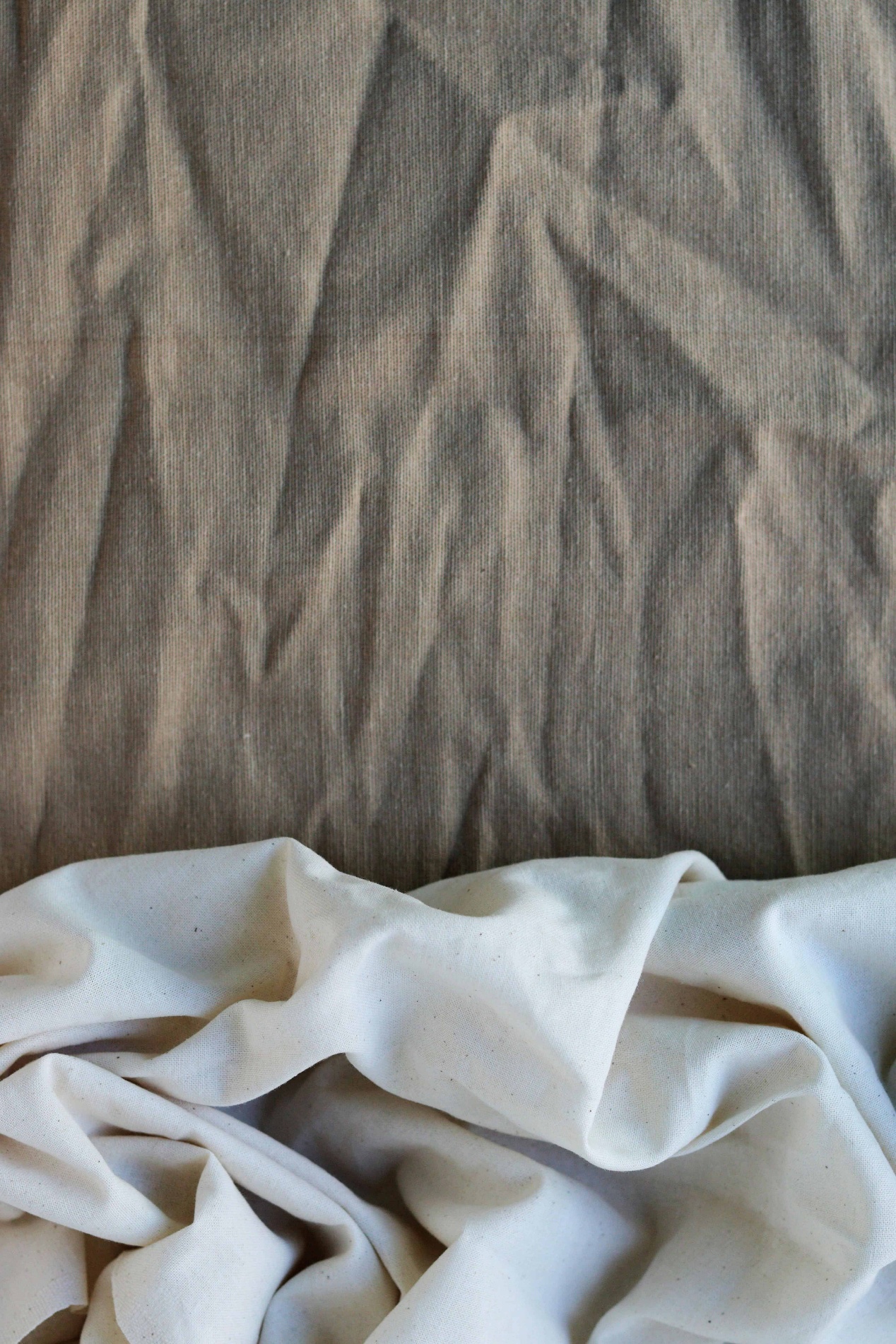
Close up detail of natural fabrics including cotton and linen texture
Part 2: Synthetic Fabrics
Synthetic fabrics are manufactured from chemical compounds — primarily petroleum-derived polymers. They offer properties that natural fibers cannot match, but come with environmental trade-offs.
Polyester
What it is: The world’s most widely used synthetic fiber, made from petroleum-derived polyethylene terephthalate (PET).
Properties:
- Highly durable and wrinkle-resistant
- Quick-drying
- Does not absorb moisture well (can feel sweaty against skin)
- Holds shape excellently
- Resists stretching and shrinking
- Easy to care for — machine washable
- Less breathable than natural fibers
- Sheds microplastics when washed
Common types: Chiffon polyester, satin polyester, polar fleece, technical fabrics
Best for: Activewear, athleisure, lining, blended fabrics, workwear
Designer tip: Polyester is most useful when blended with natural fibers. A poly-cotton blend, for example, combines cotton’s breathability with polyester’s durability and wrinkle resistance.
Nylon (Polyamide)
What it is: The first fully synthetic fiber, invented by DuPont in 1938.
Properties:
- Very strong and lightweight
- Extremely abrasion-resistant
- Smooth, lustrous surface
- Quick-drying
- Stretches and recovers well
- Low moisture absorption
Best for: Activewear, swimwear, hosiery, outerwear linings, technical clothing, bags
Spandex / Lycra / Elastane
What it is: A highly elastic synthetic fiber (these three names refer to the same material under different brand/generic names).
Properties:
- Can stretch 500–600% of its length and recover perfectly
- Always blended with other fibers, never used alone
- Adds stretch and recovery to any fabric it’s combined with
Best for: Any garment requiring stretch — swimwear, activewear, shapewear, fitted dresses, jeans (denim + spandex blends)
Designer tip: Even 2–5% spandex in a fabric blend dramatically increases comfort and fit. The standard denim-spandex blend is 98% cotton / 2% elastane.
Viscose / Rayon
What it is: A semi-synthetic fabric made from regenerated cellulose fiber (usually from wood pulp). It bridges natural and synthetic.
Properties:
- Soft and lightweight
- Drapes beautifully — often compared to silk
- Breathable
- Absorbs moisture
- Wrinkles easily
- Can shrink or lose shape when wet
- Less durable than cotton
Common types: Standard viscose, Modal (softer, more durable), Lyocell/Tencel (most sustainable, stronger, less prone to shrinkage)
Best for: Dresses, blouses, linings, summer garments, affordable “silk-look” pieces
Part 3: Performance and Technical Fabrics
Modern technology has created a category of fabrics designed for specific performance needs beyond basic clothing.
Gore-Tex
A waterproof, windproof, and breathable membrane laminated onto other fabrics. The go-to material for outdoor technical clothing and performance outerwear.
Schoeller (c_change, NanoSphere)
Swiss technical fabrics with remarkable properties: stretch, weather resistance, water repellency, and soft hand. Used by high-performance outdoor and luxury technical brands.
Thermolite and PrimaLoft
High-performance insulation materials used as fill in jackets, vests, and sleeping bags. Mimic the warmth of down with better wet-weather performance.
Part 4: Fabric Weight and Weave
Understanding Fabric Weight
Fabric weight is measured in grams per square meter (GSM) or ounces per square yard (OZ).
| Weight Category | GSM | Best Uses |
|—————-|—–|———–|
| Sheer/Lightweight | 30–100 GSM | Blouses, linings, scarves |
| Medium Weight | 100–200 GSM | Shirts, dresses, skirts |
| Mid-Heavy | 200–300 GSM | Trousers, jackets, structured pieces |
| Heavy | 300+ GSM | Outerwear, denim, suiting |
Understanding Weave Structures
Plain weave: The simplest — over one, under one. Creates a flat, stable fabric. Examples: muslin, voile, canvas.
Twill weave: Diagonal rib pattern. Creates strong, drapey fabric. Examples: denim, chino, gabardine.
Satin weave: Floating threads create a smooth, lustrous surface. Examples: satin, sateen, duchess.
Knit construction: Interlocking loops create stretch. Examples: jersey, rib, interlock.
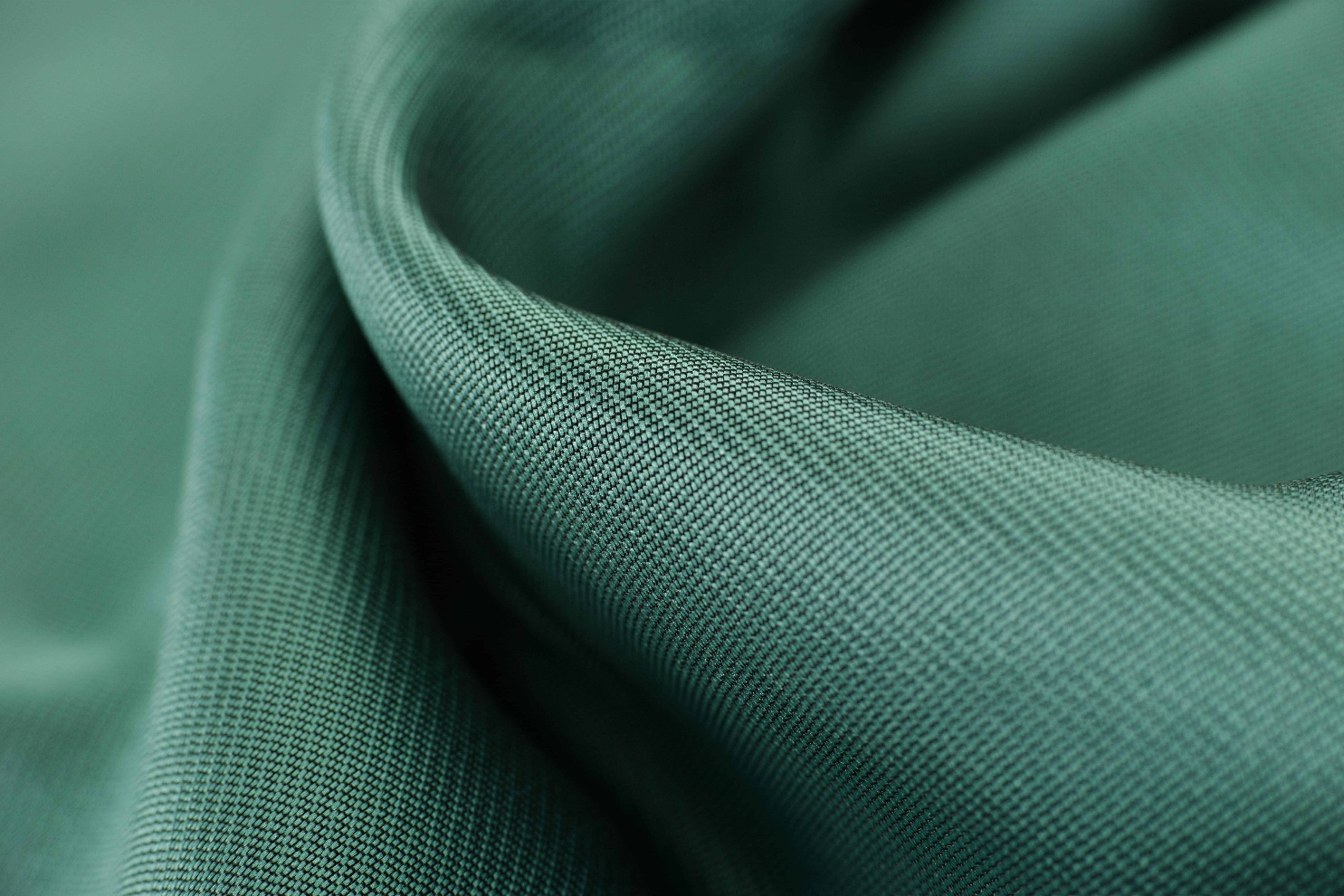
High performance sportswear technical fabric texture close up detail
Part 5: How to Choose the Right Fabric for Your Design
Ask yourself these questions when selecting fabric:
1. What is the silhouette and structure of the design?
Structured designs (blazers, tailored trousers) require fabrics that hold shape — wool, suiting fabric, canvas.
Fluid, draped designs require fabrics that flow — chiffon, silk charmeuse, viscose.
2. What is the intended season and climate?
Warm weather → breathable naturals (cotton, linen, lightweight silk)
Cold weather → insulating fabrics (wool, cashmere, fleece)
3. What is the price point of the garment?
Luxury → silk, cashmere, premium wool
Mid-range → quality cotton, linen, viscose blends
Budget → polyester, cotton blends, viscose
4. How will it be cared for?
Consumer-friendly → machine-washable cotton, polyester
Investment pieces → dry-clean wool and silk
5. What is the sustainability requirement?
Maximum sustainability → certified organic cotton, linen, Tencel/Lyocell, recycled polyester
Conventional → standard options throughout
Fabric Sourcing for Designers
Trade shows: Première Vision (Paris), Texworld (New York, Paris), Intertextile (Shanghai) — the world’s premier fabric sourcing events.
Online wholesale: Mood Fabrics, Fabric.com, The Fabric Store, Tissu.com
Sustainable sources: GOTS-certified suppliers, Lenzing (Tencel), Repreve (recycled polyester)
For small designers: Fabric stores with wholesale minimums of 1–5 yards are often better than trade show minimums of 50–100 yards per colorway.
Continue Reading on Fashionnovation.com:
- The Ultimate Guide to Fashion Sketching for Beginners
- Pattern Making 101 — fashionnovation.com/pattern-making-beginners-guide
- Color Psychology: Which Color Means What?
0 Comments