
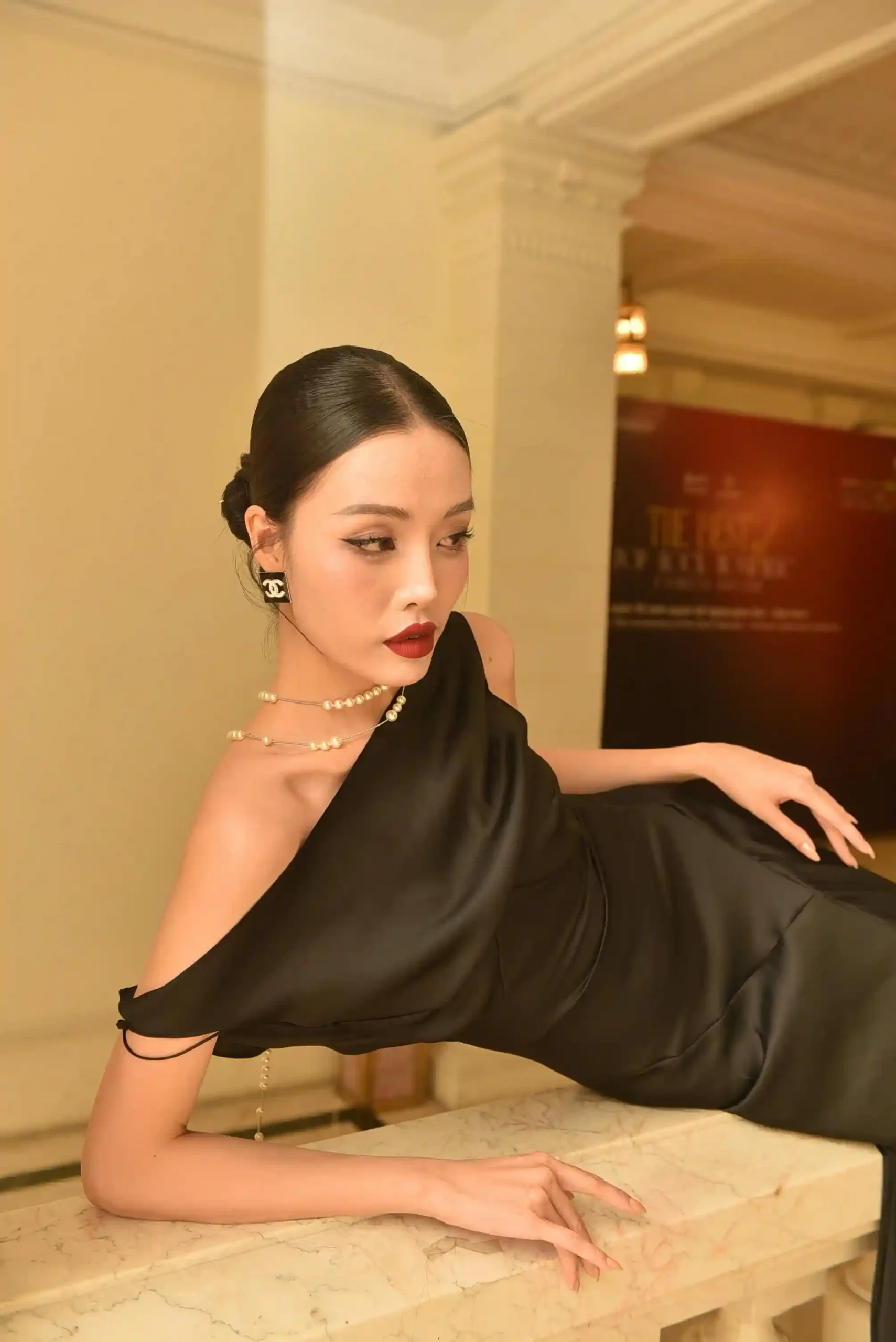
Elegant woman wearing a classic little black dress in a timeless sophisticated style
Table of Contents
- Introduction
- Symbolism of Black Before Fashion
- Black as Mourning and Class Identity
- Coco Chanel and the 1926 Revolution
- Design Philosophy Behind the LBD
- Depression and Wartime Practicality
- Post-War Glamour and Dior’s Influence
- Audrey Hepburn and Cinematic Mythology
- Youth Culture and Minimalism
- 1980s Power Dressing
- Subversive LBD of the 1990s
- The LBD in the 21st Century
- Why the LBD Is Timeless
- The Science of Styling an LBD
- Consumer Psychology of Black Dresses
- Future of the Little Black Dress
- FAQ
Introduction
Few garments in fashion history possess the mythic status of the Little Black Dress.
In an industry driven by novelty, seasonal reinvention, and constant visual disruption, the LBD represents the opposite: continuity. It is not merely a garment — it is a cultural language understood across generations and continents.
From royal courts to modern boardrooms, film premieres to university graduations, the little black dress has functioned as fashion’s ultimate equalizer.
Symbolism of Black Before Fashion
Long before it became synonymous with elegance, black carried layered symbolic meanings.
In medieval Europe, black dyes were expensive and difficult to produce. As a result, black garments were sometimes associated with wealth and authority.
Clergy adopted black to communicate humility and seriousness, while aristocrats occasionally used black to signal power and restraint.
This complex symbolism set the stage for later reinterpretations.
Black as Mourning and Class Identity
The strongest association with black emerged during the Victorian era.
After Prince Albert’s death in 1861, Queen Victoria wore black for decades, embedding mourning attire deeply into European social codes.
For fashionable society, colorful garments represented vitality and privilege. Black, outside mourning, was often associated with servants and industrial workers.
This cultural framework made later fashion reinterpretations profoundly radical.

Classic black dress with pearls and elegant updo hairstyle 1960s inspired
Coco Chanel and the Revolution of 1926
On October 1, 1926, American Vogue published a sketch of a simple black dress designed by Coco Chanel.
The magazine compared it to the Ford Model T — suggesting it would become universally accessible and indispensable.
This prediction proved astonishingly accurate.
Chanel’s design stripped away ornamentation, placing emphasis on silhouette, proportion, and styling versatility.
Design Philosophy Behind the Little Black Dress
The LBD introduced several enduring principles:
Functional minimalism
Elegance without excess decoration.
Modular styling
One dress adaptable across occasions.
Movement liberation
Relaxed silhouettes enabling modern lifestyles.
Visual neutrality
Black allows accessories and personality to dominate.
This philosophy reshaped how designers approached wardrobe essentials.
Depression and Wartime Practicality
Economic hardship during the 1930s reinforced the LBD’s relevance.
Consumers sought garments offering longevity and flexibility.
World War II intensified this trend as fabric rationing pushed fashion toward austerity.
The little black dress became a symbol of resilience — fashionable yet pragmatic.
Post-War Glamour and Dior’s Influence
After wartime austerity, fashion embraced drama.
The New Look by Christian Dior introduced cinched waists and full skirts.
The LBD evolved into structured cocktail silhouettes and fitted sheath dresses, reflecting renewed optimism.

Modern interpretations of the little black dress in contemporary silhouettes
Audrey Hepburn and Cinematic Mythology
In the film Breakfast at Tiffany’s, Audrey Hepburn wore a Givenchy gown designed by Hubert de Givenchy.
This moment immortalized the LBD as a symbol of urban sophistication and emotional independence.
Fashion imagery transformed into cultural mythology.
1960s–1970s Transformations
Designers like Mary Quant shortened hemlines dramatically.
The mini LBD became an emblem of youth liberation.
In the 1970s, minimalist designers such as Halston introduced fluid jersey versions that emphasized sensual movement.
1980s Corporate Power Dressing
Structured shoulders and body-conscious tailoring defined the decade.
Donna Karan integrated black dresses into modular wardrobes designed for working women.
The LBD became associated with ambition and authority.
Subversive Reinventions
In 1994, Elizabeth Hurley wore a safety-pin dress by Gianni Versace — redefining black dress sexuality.
Soon after, Princess Diana wore the famous “revenge dress,” turning fashion into emotional communication.
Modern Interpretations
Today the LBD exists simultaneously as:
luxury statement piece
minimalist Scandinavian uniform
fast fashion staple
vintage collectible
Designers like Simon Porte Jacquemus continue redefining proportions and exposure.
Why the Little Black Dress Never Goes Out of Style
Several structural reasons explain its longevity:
black’s slimming visual perception
neutral adaptability
cultural mythmaking
intergenerational acceptance
photographic impact
The LBD functions not as a trend but as a fashion constant.
Styling Strategies
texture contrast increases visual richness
metallic accessories enhance evening impact
tailoring improves perceived value
silhouette balance shapes body perception
Why Women Buy LBDs Repeatedly
Research in fashion psychology suggests black clothing conveys:
competence
elegance
mystery
emotional control
This makes the LBD both practical and aspirational.
Future Evolution
Future LBD trends may include:
sustainable fabrics
modular construction
gender-fluid silhouettes
digital fashion adaptations
The idea of the LBD will evolve even if its core symbolism remains intact.
Frequently Asked Questions
Who invented the little black dress?
Coco Chanel popularized it in 1926.
Why is the LBD timeless?
Its neutrality, symbolism, and adaptability ensure longevity.
Can an LBD be casual?
Yes — styling determines formality.
Is it still fashionable today?
Yes. Designers reinterpret it continuously.
You can write to us at fashionnovationfd@gmail.com
We read and publish your articles!
Continue Reading on Fashionnovation.com:
- How Paris Became the Fashion Capital — fashionnovation.com/why-is-paris-the-fashion-capital
- Evolution of Denim — fashionnovation.com/history-of-denim-fashion
- Hip-Hop Influence on Fashion — fashionnovation.com/hip-hop-influence-on-fashion
- How to Become a Fashion Stylist: Complete Career Guide 2025
- History of the Polo Shirt: A Legendary Fashion Item


0 Comments