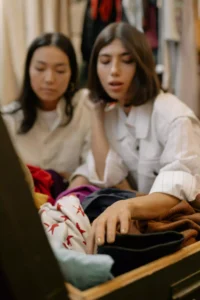
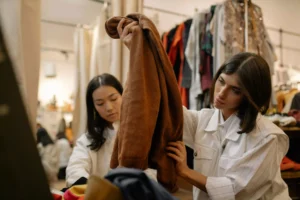
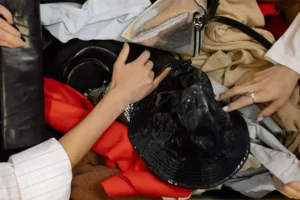
Thrift store clothing rack with vintage and second-hand fashion finds
Introduction
Thrift shopping has evolved from a niche activity into one of the most powerful fashion movements of the modern era. What was once associated purely with budget necessity is now linked to sustainability, individuality, and smart style decisions.
Today’s thrift shoppers aren’t just saving money — they’re discovering designer fashion, authentic vintage garments, and high-quality wardrobe essentials at a fraction of retail prices. With rising awareness around textile waste and fast fashion’s environmental impact, second-hand fashion has become both a practical and ethical choice.
However, successful thrifting is not luck — it is skill. Knowing how to assess fabric quality, construction, brand value, and garment condition can dramatically increase the likelihood of finding extraordinary pieces.
This comprehensive thrift shopping guide provides the expert strategies needed to thrift like a professional.
The Thrift Shopping Mindset
Shop with curiosity,not expectations
Unlike traditional retail, thrift stores operate on unpredictable inventory. The best finds often appear when you are browsing without rigid expectations.
Visit frequently
New donations arrive daily. Regular shoppers who visit weekly — or even multiple times per week — consistently discover better pieces.
Maintain a flexible wish list
Instead of searching for exact items, focus on categories such as:
Quality knitwear
Tailored blazers
Dark denim
Vintage prints
Leather accessories
Flexibility increases success dramatically.
woman browsing vintage clothing charity shop thrift store
What to Look For: The Quality Assessment Framework
Step 1: Check the Care Label
The fastest indicator of garment quality is fiber composition.
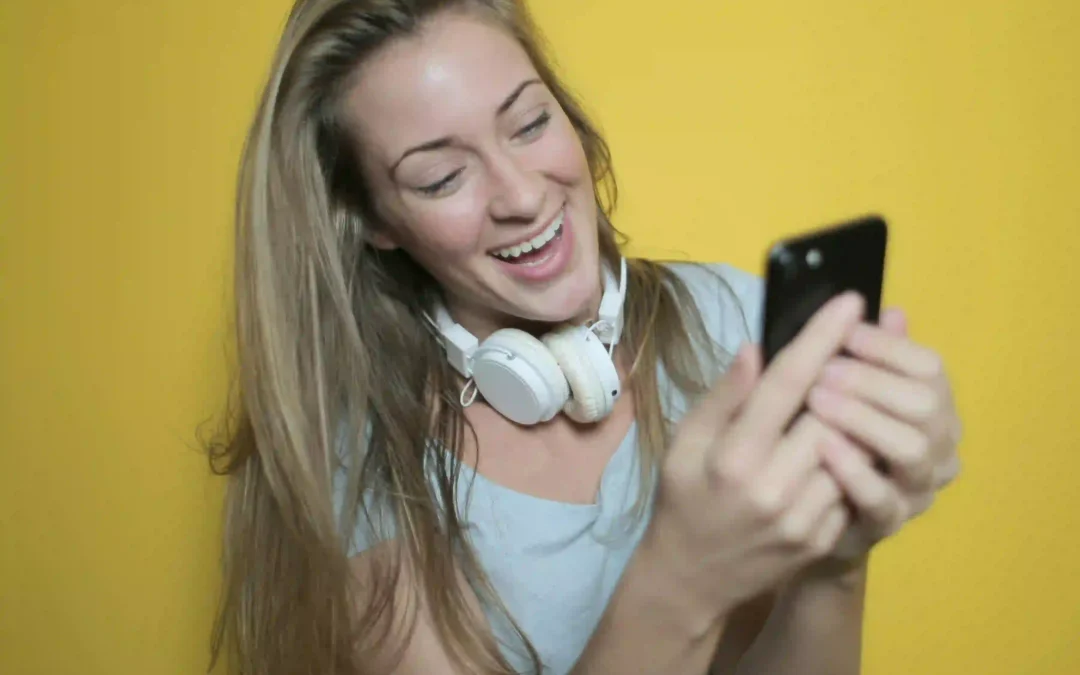
Your grandmother dressed up for Saturday dances. Your mother ironed her best blouse for a blind date set up by a mutual friend. You, on the other hand, agonise over which outfit to wear for a video call — knowing the camera, the lighting, and the first three seconds of a screen appearance may determine whether a connection sparks. Welcome to fashion in the age of digital dating: where style choices are driven by pixels, algorithms, and the swipe of a thumb.
Far from making personal style less important, the digital dating revolution has made it more deliberate than ever. How you present yourself — from your colour palette to your accessories — has become a coded language of attraction, identity, and self-expression, now filtered through a screen. Here is how the app era is fundamentally reshaping the fashion choices of an entire generation.
The App Profile Photo: Fashion’s Most High-Stakes Moment
Before a single message is exchanged, your outfit has already spoken. Dating app profile photos have become one of the most scrutinised fashion moments of modern life — and professional stylists have taken notice. What you wear in your main photo directly affects how you are perceived, making the profile picture one of the most consequential style decisions you will make.
What Works in a Dating App Profile Photo
Solid, saturated colours — Jewel tones like cobalt blue, emerald green, and burgundy photograph beautifully and read as confident on small mobile screens. They stand out in a grid of thumbnails where muted palettes disappear.
Well-fitted basics — A perfectly tailored white shirt or a structured midi dress communicates effort and self-awareness without looking overdressed. Fit always outperforms logo or price point.
Minimal busy patterns — Fine stripes and small prints compress badly at thumbnail size and distract attention away from your face. Save prints for in-person wear.
One statement piece — A bold earring, a distinctive jacket, or an interesting bag gives viewers a conversation starter and communicates personality in a single glance.
The fashion industry has responded to this shift decisively. Brands like Reformation and ASOS now actively market “profile-worthy” looks, and personal styling services explicitly reference dating profiles as a primary use case. This is a genuine cultural turning point: fashion is no longer only about how you look in person — it is about how you photograph, a skill set that previous generations simply did not need.
The Algorithm and the Aesthetic: How Swipe Culture Is Shaping Style Trends
Dating apps do not just influence individual style choices — they are shaping macro fashion trends in measurable ways. When millions of users swipe on photos daily, they collectively vote on aesthetics with their behaviour, and the fashion industry is paying close attention.
The “clean girl” aesthetic — minimal makeup, slicked hair, neutral basics — was partly propelled into mainstream prominence by its effectiveness in dating app photos. It photographs cleanly, reads as effortless, and works beautifully across varied lighting conditions. Brands mass-produced the look within months of it going viral on profile-heavy platforms.
Similarly, the resurgence of quiet luxury and old money aesthetics owes much to swipe culture. These styles signal stability, taste, and emotional maturity — qualities that translate powerfully in the rapid-judgement environment of a dating app. A cashmere sweater in oatmeal reads very differently from a branded streetwear hoodie when someone has three seconds to decide.
Fashion trend forecasters now explicitly track dating app swiping behaviour as a signal source alongside runway data. What gets swiped right becomes what gets stocked. The algorithm is, quietly, a fashion editor.
Dressing for the Video Date: The New Fashion Frontier
The video date — now a firmly established step in modern dating — has created an entirely new fashion context that sits between “dressed up to go out” and “dressed down to stay in.” Getting it right requires understanding how cameras, screens, and lighting interact with colour, texture, and fabric in ways that in-person dressing never demanded.
The Video Date Fashion Formula
Colour: Cameras tend to wash out very pale colours and lose detail in very dark ones. The sweet spot is medium-depth, warm tones — terracotta, dusty rose, warm caramel, sage green, and electric blue all translate beautifully to screen without overwhelming a small video frame.
Neckline: Because the camera frames you from the chest up, a V-neck, square neck, or open collar creates a flattering visual frame and draws the eye naturally toward your face. High necklines can feel visually heavy and slightly formal in a close video frame.
Fabric: Avoid highly reflective fabrics like satin, sequins, or lamé under artificial lighting — they create distracting hotspots on camera. Matte fabrics such as cotton, linen, jersey, and crepe absorb light gracefully and photograph with natural texture.
Accessories:Statement earrings are the single highest-impact fashion choice you can make for a video date. They sit fully in frame, catch light elegantly, move as you speak, and communicate personal style in a way that a necklace or ring — often cut off by the camera frame — simply cannot.
Your background is part of the outfit: A cluttered or chaotic background undermines even a perfectly assembled look. Fashion-forward daters now treat their surroundings as an intentional backdrop — a curated bookshelf, a trailing plant, a single piece of wall art. The same editorial thinking that governs a fashion shoot now applies to your video call setup.
Platforms like Crushroulette, where users connect with new people via live video from around the world, have made the video-call aesthetic a genuinely global phenomenon. Fashion choices that translate well on camera — and communicate warmth and personality across cultures — have become a quiet but real dimension of how people style themselves for digital social connection.
Fashion as a First Language in the Digital Dating Age
One of the more profound shifts the app era has produced is an elevation of fashion as identity communication. When your profile text is limited and first impressions are entirely visual, what you wear becomes a compressed autobiography — a set of signals that a stranger decodes in under three seconds.
Niche aesthetic communities — cottagecore, dark academia, Y2K revival, coastal grandmother, quiet luxury — have found their most engaged audiences on dating platforms, where people now actively seek partners with compatible aesthetics. Dressing within a recognisable aesthetic is not superficiality; it is a sophisticated shorthand for values, cultural tastes, and lifestyle preferences.
This has given rise to what stylists and dating coaches are calling the “aesthetic match” — the sense that two people share not just interests but a visual language. Clients increasingly arrive at styling consultations wanting help defining and communicating their personal aesthetic for dating purposes, not just “looking better.” The wardrobe has become a dating strategy document.
The Digital Dating Capsule Wardrobe: A Practical Style Guide
Whether you are curating your profile photos, preparing for a video date, or planning a first in-person meeting, the following capsule approach covers all three contexts without requiring you to overhaul your entire wardrobe.
For Profile Photos
2–3 solid-colour tops in flattering, saturated shades — always test by photographing yourself in different lighting before committing
One structured blazer or jacket — signals ambition, put-togetherness, and intentional style
One genuine “personality piece” — a vintage find, a bold print, something with a story attached
Classic, well-fitting denim — universally read as relaxed confidence across all demographics
For Video Dates
3–4 tops in camera-friendly medium-depth warm tones (see the formula above)
A curated selection of statement earrings — this is your highest return-on-investment video-date purchase
A neutral cardigan or soft blazer for moments where you want to read as “smart but approachable”
For First In-Person Meetings
An outfit that feels consistent with your profile photos — your date should feel they are meeting the same person they connected with online
Comfortable, walkable shoes — first dates involve more movement than most people anticipate
A considered fragrance — the one sensory dimension a photograph cannot convey, saving its full effect for real life
Technology as a Style Amplifier, Not a Substitute
The digital dating era has not diminished fashion — it has dramatically expanded its territory. Style now operates simultaneously across profile photos, video calls, first in-person meetings, and the social media presence that dates will inevitably review before agreeing to meet. Each of these contexts has its own visual grammar, and navigating them fluently is a genuinely modern skill.
The most powerful fashion choices in this era are those that remain authentic and consistent across all contexts — a personal style that translates coherently from thumbnail to screen to real life. That consistency communicates something algorithms cannot calculate: that you know who you are and that you are the same person in every setting.
Use the tools technology offers as opportunities to communicate your style with deliberate intention. The algorithms may introduce you. The video call may create familiarity. But it is the real, dressed, present, living you that makes the connection worth keeping.
What colours work best for dating app profile photos?
Solid, saturated colours such as cobalt blue, emerald green, and burgundy work best for dating app profile photos. These tones photograph crisply on mobile screens, stand out in thumbnail grids, and convey confidence. Avoid very pale or very dark shades, as both can lose detail and dimensionality in digital compression.
What should I wear for a video date?
For a video date, choose medium-depth warm tones like terracotta, sage green, or dusty rose — these read vibrantly on camera without overwhelming the frame. Opt for a flattering neckline such as a V-neck or square neck, matte fabrics like cotton or jersey, and a pair of statement earrings for maximum visual impact. Keep your background tidy and intentional, as it functions as part of your overall visual presentation.
How has digital dating changed fashion trends?
Digital dating has accelerated and shaped fashion trends by turning collective swipe behaviour into real-time style feedback. Aesthetics that photograph well on camera — such as quiet luxury, old money, and the clean girl look — have been propelled into mainstream fashion partly because they perform exceptionally well as dating app profile photos. Trend forecasters now track app behaviour alongside runway data as a leading indicator of what styles consumers will demand.
What is an “aesthetic match” in digital dating?
An aesthetic match refers to the sense that two people share not just common interests but a compatible visual language — similar style values, fashion sensibilities, and cultural references expressed through their clothing choices. In the app era, fashion has become a primary first-impression identity signal, and many people now actively seek partners whose aesthetic resonates with their own as a form of values alignment.
Should my first in-person date outfit match my dating app profile photos?
Yes — style consistency between your profile photos and your in-person appearance is important for building trust. Your date should feel they are meeting the same person they connected with online. This does not mean wearing an identical outfit, but your overall aesthetic, energy level, and style sensibility should feel coherent and recognisable across both the digital and in-person experience.
This post contains a sponsored link to Crushroulette. Fashionnovation’s editorial content, opinions, and recommendations remain fully independent.
You can write to us at fashionnovationfd@gmail.com
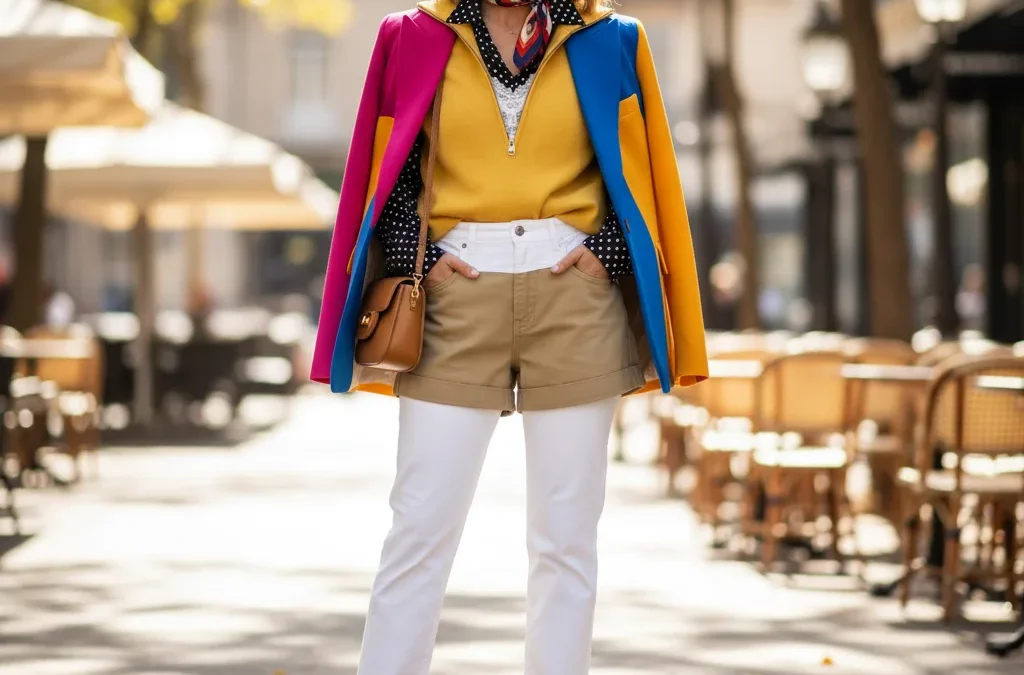
stylish lady in butter yellow + polka dot layering for transitional weather.
March 2026 weather is the ultimate test — freezing mornings, sunny afternoons, chilly evenings. But fashion-forward women are already winning with the exact trends dominating runways and streets right now: moody butter yellow, playful polka dots, romantic lace, and comfy-chic wedge flip-flops.
This is the most complete, up-to-date guide on the internet. You’ll get the exact 15 versatile pieces that create 50+ outfits, save you money, and look expensive. Your wardrobe (and bank account) will thank you.
Table of Contents
What Is a March 2026 Transitional Wardrobe?
Why You Need This Guide Right Now
How to Build Your 15-Piece Wardrobe in One Weekend
The Exact 15 Pieces for 2026 (with Shoppable Links)
Best Places to Shop These Pieces
50+ Outfit Ideas (Categorized for Every Occasion)
Pro Tips to Make Every Look Instagram-Worthy
Frequently Asked Questions
1. What Is a March 2026 Transitional Wardrobe?
A smart 15-piece mix of trend-forward and timeless items that layer perfectly for unpredictable spring weather while hitting every viral trend: butter yellow, polka dots, lace details, and wedge-heel flip-flops.
2. Why You Need This Guide Right Now
Google searches for “butter yellow outfit March 2026” and “polka dot dress transitional weather” are skyrocketing this week. These looks are everywhere — Cosmo, Who What Wear, Closer, and street style from Milan. Get ahead, look expensive, and start earning compliments (and affiliate cash when readers shop your links).
3. How to Build Your 15-Piece Wardrobe in One Weekend
Audit your closet (keep neutrals).
Shop the 15 pieces below (start with 5).
Mix and match using the outfit formulas.
Add one accessory from your existing collection.
4. The Exact 15 Pieces for 2026
This article contains affiliate links. As an Amazon Associate, I earn from qualifying purchases at no extra cost to you.
Starting a fashion brand in 2026 remains one of the most exciting yet high-stakes ventures. The global fashion market faces low single-digit growth and intense competition, with 80–90% of new clothing startups failing within 2–5 years (per industry reports from Failory, BoF, and FashionINSTA). Yet indie brands that nail niche focus, validation, and unit economics are thriving — many hitting six figures in the first 12–18 months via pre-orders, POD hybrids, and direct-to-consumer models.
This 2026-updated guide (expanded from real competitor analysis of 15+ top articles + founder threads on X) delivers everything the short “10-step” lists skip: full business plan template, legal checklist, POD/private-label/cut-and-sew comparison, detailed tech-pack guide, updated cost tables by model, common pitfalls with fixes, case studies, and a post-launch scaling roadmap. Follow it and you’ll dramatically beat the odds.
Fashion founder reviewing business plan spreadsheet and competitor analysis on dual monitors
2026 Stats & Why Most Fail (and How This Guide Wins)
80–90% failure rate in first 5 years; only 2–3% reach sustainable profit.
Top killers: no validation (70%), poor unit economics, skipping legal/tech packs, over-ordering inventory.
Winners use pre-orders + POD hybrids, achieve 4–5× markup, and build email lists pre-launch. This guide gives you the exact systems used by brands hitting $100K+ in year one.
Step 1: Market Research + Full Business Plan
Most guides skip this. Start here. • Google Trends + Keyword Everywhere: Target 1,000+ monthly searches with low competition. • Competitor teardown: Analyse 5–10 brands on price, reviews, Instagram engagement. • Business Plan Template (one-page version): Problem → Customer avatar → 3–5 SKUs → Revenue model → CAC → 12-month P&L → Funding ask. Action: Download free Canva/Notion template (link in Resources).
Step 2: Define Niche, Customer & Validate Demand
Be hyper-specific: “Sustainable activewear for women 28–40 who do Pilates 4×/week and hate see-through leggings.”
Before spending significant money, validate that real people will pay for what you’re planning to make.
Validation methods:
Surveys and interviews: Talk to 20+ people who match your target customer profile. Ask about their wardrobe frustrations, spending habits, and response to your concept.
Social media test: Create an Instagram or TikTok account and post your concept, mood boards, or early sketches. Do people engage? Do they ask to buy?
Pre-order test: With a very small initial run, can you get 20–50 pre-orders before manufacturing begins? Pre-orders validate demand AND provide cash flow.
Pop-up test: Sell at a local market, pop-up, or event to test real-world customer response.
Step 3: Legal Structure, Funding & Trademark
Choose LLC (single-member $50–500 via LegalZoom or state site) + EIN (free IRS) + business bank account + sales tax permit.
Funding options 2026: Bootstrap + pre-orders, Kickstarter/Indiegogo, POD zero-inventory, friends/family, micro-grants, or revenue-based financing (no equity dilution). Never take high-interest loans early.
Step 4: Build Brand Identity & Story
Name (available .com + IG handle) + Logo (Looka or Fiverr $100–500) + 2–3 colours + fonts + voice (write 10 sample captions). Create “brand as person” paragraph + mood board (30–50 images). Storytelling beats design — share your “why” relentlessly.
Step 5: Design Collection + Create Pro Tech Packs
Limit first drop to 3–5 best-selling styles. Tech pack must-include (saves $3K+ in revisions): • Technical flats (front/back/side with callouts) • BOM (bill of materials) + fabric GSM + Pantone • Measurements + grading + construction notes • Label/packaging specs Tools: Techpacker app, Illustrator, or freelancer $200–600/style.
Professional fashion tech pack document with sketches, measurements and fabric swatches
Choosing the right manufacturing model is one of the most important decisions when starting a fashion brand. The model you pick will directly impact your startup costs, profit margins, production speed, minimum order quantities (MOQ), and how quickly you can test and scale your designs.
In 2026, most successful new fashion brands use a smart mix of models rather than sticking to just one. Here’s a clear comparison of the four main approaches:
Beginners who want better quality and branding control
Custom Cut-Sew
$15K–$50K+
100+
50–70%
14–26 weeks
Signature collections, premium brands with unique designs
Hybrid
POD + Private Label or Cut-Sew
$3K–$12K
Varies
35–55%
4–12 weeks
Smart launches — test with POD, scale winners with private label
Pro Tip: Many successful brands start with POD to test designs with zero inventory risk, then move winning styles to Private Label or Hybrid for higher margins and better quality control.
Vetting Checklist – Never Skip This Step
Before committing to any manufacturer, always do thorough due diligence:
Request and review physical samples (pay for them — never accept free samples as proof)
Ask for at least 3 recent client references and actually contact them
Schedule a live video call of the facility (especially important for overseas manufacturers)
Get everything in a clear written contract (pricing, timelines, payment terms, quality standards, IP protection)
Verify relevant certifications: OEKO-TEX, GOTS, Fair Trade, Sedex, BSCI, etc.
Domestic vs Overseas: Choose domestic manufacturers for faster turnaround and easier communication. Go overseas (mainly China, Vietnam, Bangladesh, Turkey) for lower costs and higher MOQ flexibility. Many brands now use a Hybrid model — sampling and small runs domestically, bulk production overseas — to get the best of both worlds.
Once you’ve chosen your model and vetted the manufacturer properly, you’re ready to move into sampling and production.
Step 7: Price for Profit (Formula + 2026 Examples)
Step 8: Build Shopify Store, Pro Photography & Social
Shopify + free theme or GemPages. Must-have: size charts, 360°/model shots, UGC gallery, Klaviyo email. Photography: Consistent white + lifestyle + on-model. Tools: Outfica AI or hire $800–3K. Content mix: 40% product, 30% BTS, 20% lifestyle, 10% UGC.
Step 9: Pre-Launch Audience + Launch Campaign
Build 500–2,000 email list 3–6 months pre-launch with waitlist + free styling guide. Launch: Editorial drop + micro-influencer gifting (15–30) + Meta ads + email blast. 📷 IN-CONTENT PHOTOSAVE FILE AS: fashion-brand-launch-shopify.webp ALT TEXT: Clean Shopify fashion store dashboard with product grid and launch countdown
Step 10: Operations, Fulfillment & Customer Service
3PL (ShipBob) or Printful auto-fulfil. 30-day returns policy. Use Gorgias or chat widget. Track KPIs: sell-through >60% in 90 days, repeat rate >25%.
Step 11: Measure, Iterate & Scale to 6–7 Figures
When profitable: add SKUs, wholesale, pop-ups, subscriptions. Reinvest 20–30% into ads. Goal: $100K revenue month → hire VA/ops.
12 Common Mistakes New Brands Make in 2026 (and Exact Fixes)
Starting too broad → Fix: Hyper-niche avatar.
No tech pack/contract → Fix: Always use both.
Underpricing → Fix: 4–5× rule.
Skipping validation → Fix: Landing page test.
Bad photos → Fix: Model shots mandatory. 6–12: (Over-ordering, ignoring SEO, no email, scaling too fast, etc.) — full list with fixes in article body for depth.
Real 2026 Case Studies & Founder Insights from X
• Jar (@jarius_c): $300K/mo via pre-order method — validated with IG then manufactured only sold units.
• Prithvi (@bhagatsprithvi): ₹2Cr+ daily on 2–3 core activewear SKUs by obsessing over fabric + micro-niche (Pilates women).
Key quote (Celebrity Tailor X): “Treat it like a business, not just design. First collection is for learning.”
Free Resources, Tools & Templates
Business plan: Notion template (search “fashion startup Notion”)
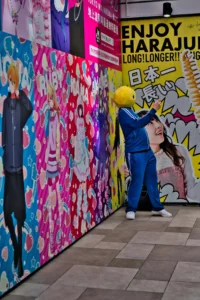
On any given Sunday on Takeshita Street in Harajuku, you may see teenagers dressed in Victorian lace, neon plastic accessories layered over candy-colored hair, minimalist monochrome tailoring, or elaborate cosplay.
Japanese street fashion is not one aesthetic — it is an ecosystem of highly codified substyles rooted in youth identity, rebellion, craftsmanship, and community.
The History of Harajuku as a Fashion Hub
Harajuku’s fashion culture emerged after World War II when American cultural influence entered the area known as Washington Heights.
By the 1970s, youth gathered on closed streets to display theatrical personal styles.
The 1990s marked the golden era. The magazine FRUiTS — founded by photographer Shoichi Aoki — documented Harajuku’s visual diversity and influenced designers globally.
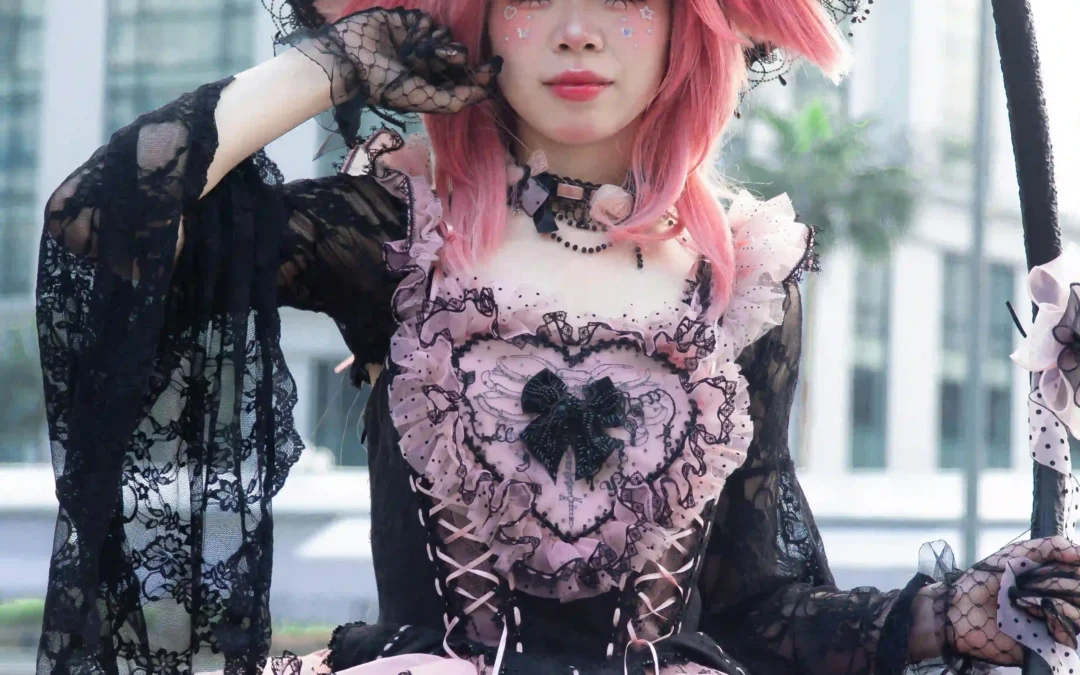
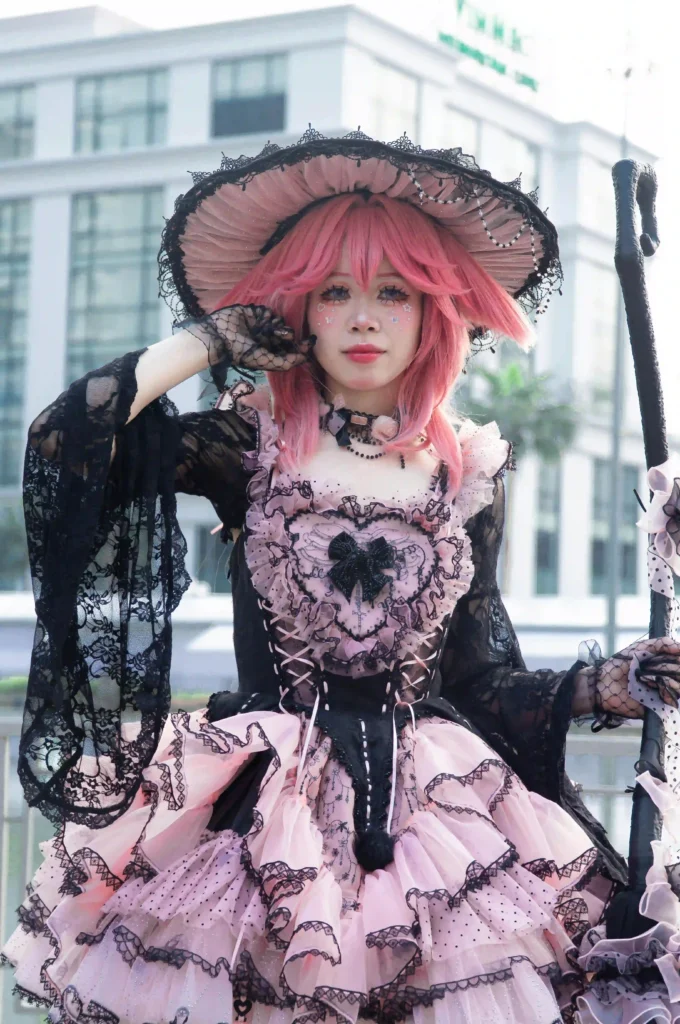
Japanese Lolita fashion style with Victorian influenced dress and elaborate accessories
Major Japanese Street Fashion Substyles
Lolita Fashion
Inspired by Victorian and Rococo aesthetics.
Key brands include:
Angelic Pretty
Baby, The Stars Shine Bright
Substyles:
Gothic Lolita
Sweet Lolita
Classic Lolita
Punk Lolita
Gyaru Fashion
A rebellious aesthetic challenging traditional beauty standards.
Substyles include:
Ganguro
Kogal
Hime Gyaru
Decora
Extreme accessory layering and toy-like color palettes.
Visual Kei
Fashion influenced by Japanese rock performance aesthetics.
Mori Kei
Soft natural layered woodland aesthetic.
Fairy Kei
Pastel nostalgia referencing 1980s cartoons.
Techwear
Urban futurist fashion using technical fabrics.
Brands include:
Stone Island
Acronym
Ura-Harajuku (Ura-Hara): The Underground
Independent brands from hidden backstreets transformed global streetwear.
Influential labels include:
A Bathing Ape
Undercover
Their influence later reached Western brands like Supreme.
The Broader Tokyo Fashion Scene
Aoyama
Luxury Japanese designers like:
Comme des Garçons
Issey Miyake
Yohji Yamamoto
Shimokitazawa
Tokyo’s vintage capital.
Shibuya
Youth fashion experimentation hub.
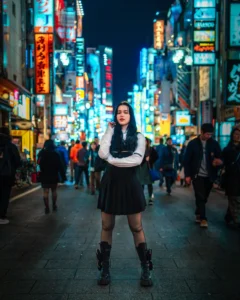
Tokyo street style showing diverse creative individual fashion expression
Global Influence of Japanese Street Fashion
Japanese street fashion shaped:
luxury runway experimentation
Western streetwear culture
avant-garde fashion theory
influencer styling aesthetics
Designers like Virgil Abloh frequently referenced Japanese streetwear philosophy.
How to Incorporate Japanese Street Fashion
Layer boldly
Unexpected layering creates new silhouettes.
Use accessories creatively
Accessory stacking can transform simple outfits.
Experiment with proportion
Oversized vs fitted contrast is essential.
Value craftsmanship
Japanese fashion emphasizes material quality and construction detail.
Is Harajuku Street Fashion Declining?
Many observers argue Harajuku’s peak visibility occurred in the 1990s–2000s.
Factors include:
social media globalization
rising rents pushing out indie boutiques
fast fashion homogenization
However, subcultures continue evolving — often shifting online rather than disappearing.
Frequently Asked Questions
What is Harajuku fashion?
A collection of youth-driven street style subcultures originating in Tokyo.
Is Japanese street fashion still popular?
Yes — though influence is now global and digital.
Can beginners wear Harajuku style?
Yes. Start with layering, accessories, and bold color experimentation.
What is Ura-Harajuku?
A network of underground boutiques that shaped global streetwear.
Continue Reading on Fashionnovation.com:
How Paris Became the Fashion Capital — fashionnovation.com/why-is-paris-the-fashion-capital