
Introduction
The fashion industry is the second-largest consumer of water and is responsible for approximately 10% of annual global carbon emissions — more than international aviation and shipping combined. A single cotton t-shirt requires roughly 2,700 liters of water to produce. Every second, the equivalent of a garbage truck of textiles is dumped in landfill or burned.
These are uncomfortable numbers. But awareness of them has sparked one of the most significant movements in fashion’s history: the sustainable fashion movement.
If you’ve encountered terms like “sustainable fashion,” “ethical clothing,” “slow fashion,” or “circular fashion” and wondered what they actually mean — or how you can genuinely participate — this guide is your starting point.
What is Sustainable Fashion?
Sustainable fashion is an approach to designing, producing, distributing, and consuming clothing that minimizes environmental damage, reduces waste, and ensures fair treatment of workers throughout the supply chain.
It operates on two interconnected dimensions:
Environmental sustainability: Reducing the fashion industry’s impact on the planet. This includes using eco-friendly materials, reducing water and chemical use in production, minimizing waste, reducing carbon emissions, and designing for longevity and recyclability.
Social sustainability (Ethical fashion): Ensuring that every person involved in making your clothes — from cotton pickers to garment workers — earns a fair wage, works in safe conditions, and is treated with dignity.
True sustainable fashion requires both. A brand that uses organic cotton but pays its workers poverty wages is not fully sustainable. A brand that pays fair wages but ships garments globally in non-recyclable packaging is only partly sustainable.
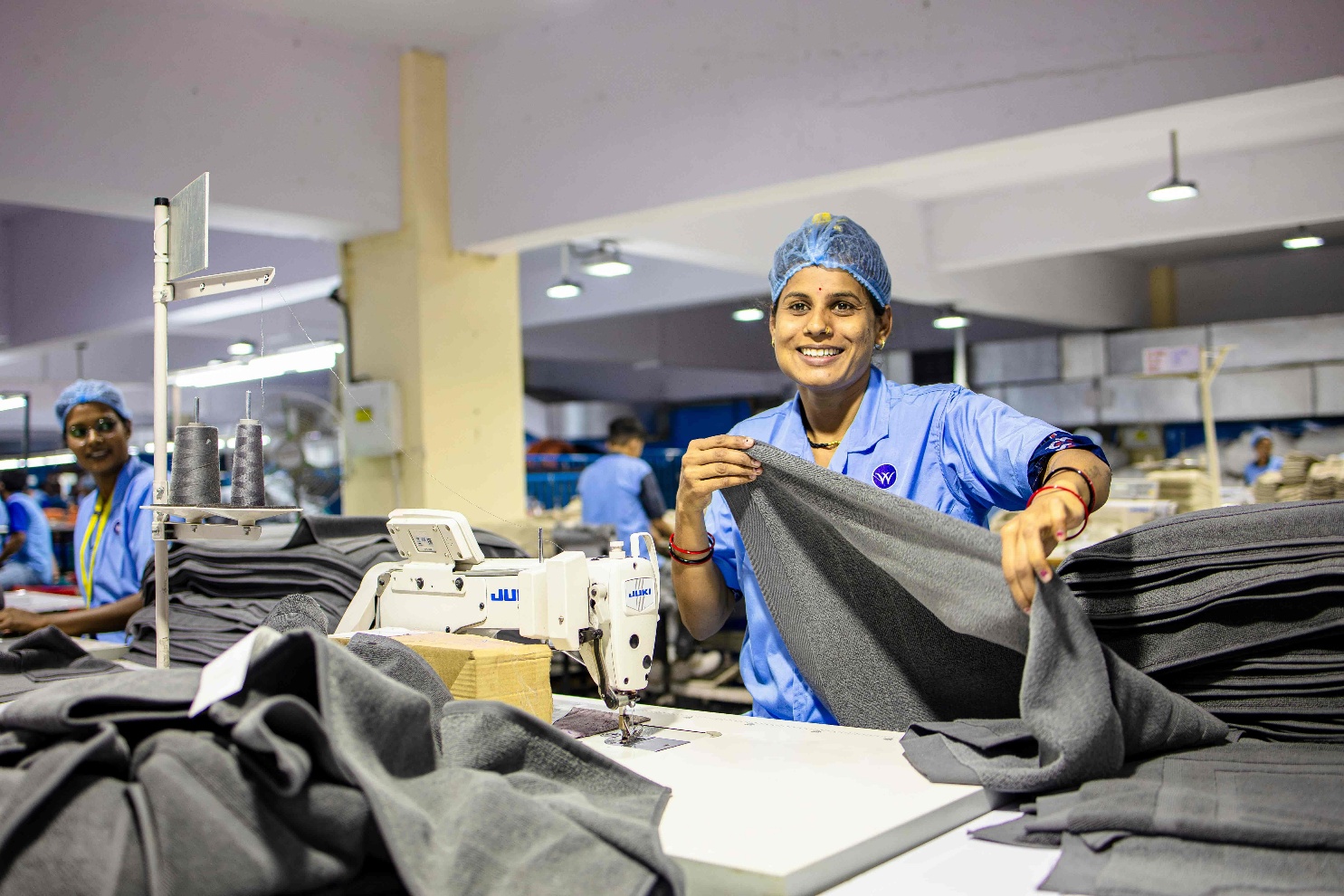
Ethical fashion production showing fair trade garment workers in safe conditions
Why Does Fashion Have a Sustainability Problem?
The modern fashion industry’s sustainability crisis has a single root cause: the rise of fast fashion.
Fast fashion — pioneered by brands like Zara, H&M, and Shein — transformed fashion from a twice-yearly seasonal activity into a constant cycle of micro-trends, producing 50–100 “micro-seasons” per year (versus the traditional two: spring/summer and fall/winter).
Fast fashion makes clothes cheap and abundant. The hidden cost: clothes are made as cheaply as possible (often with synthetic petrochemical fibers, in factories that pollute local waterways, by workers paid below living wages) and are designed to be worn a few times and discarded.
The result:
- The average consumer buys 60% more clothing than 15 years ago
- Clothing is kept half as long as it was 15 years ago
- The US alone sends approximately 11.3 million tons of textile waste to landfill annually
- 85% of donated clothing eventually ends up in landfill or incineration
Key Terms in Sustainable Fashion
Slow Fashion
The antithesis of fast fashion. Slow fashion advocates for buying less but better — investing in high-quality, ethically made pieces that last. The slow fashion philosophy prioritizes craftsmanship, durability, and conscious consumption.
Circular Fashion
A fashion model designed to eliminate waste by keeping garments in use for as long as possible. Circular fashion includes design for longevity, repair, resale, rental, and recycling programs. A garment never “ends up” in landfill in a truly circular system — it is repaired, resold, remade, or recycled into new fiber.
Ethical Fashion
Focuses specifically on the human rights dimension of fashion — fair wages, safe working conditions, no child labor, no forced labor. Ethical certifications include Fair Trade, B Corp, and SA8000.
Conscious Fashion
A broad term describing fashion choices made with awareness of environmental and social impact. Being a “conscious consumer” means making informed choices about what you buy and from whom.
Greenwashing
When a brand makes misleading environmental claims without substantive sustainable practices behind them. Common greenwashing tactics: calling a collection “conscious” when it represents 1% of production; using vague terms like “eco-friendly” without certification; launching a single sustainable product while the rest of the line remains unchanged.
Upcycling
Transforming discarded or waste material into new, higher-quality garments. Brands and individuals who repurpose vintage fabrics, deadstock, or old garments into new pieces.
Deadstock
Excess fabric or unsold inventory from manufacturers that would otherwise be wasted. Many sustainable brands source deadstock fabrics to create new collections without generating new textile production.
Organic Cotton
Cotton grown without synthetic pesticides, herbicides, or GMO seeds, certified by GOTS (Global Organic Textile Standard). Uses significantly less water and fewer chemicals than conventional cotton.
Tencel / Lyocell
A fiber made from wood cellulose (usually eucalyptus) in a closed-loop process that recycles 99% of the water and solvents used. One of the most sustainable fabrics available.
Recycled Polyester (rPET)
Polyester made from recycled materials — most commonly plastic bottles. Reduces dependence on virgin petroleum and gives plastic waste a second life. Still sheds microplastics when washed.
The Sustainable Fashion Certifications to Know
When shopping sustainably, certifications provide third-party verification of brand claims.
GOTS (Global Organic Textile Standard): The gold standard for organic textile certification. Covers the entire production chain from fiber to finished garment. Requires both environmental and social criteria.
Fair Trade Certified: Guarantees farmers and workers receive fair prices and wages, safe working conditions, and community development premiums.
B Corporation: A certification for businesses that meet high standards of social and environmental performance, accountability, and transparency. Not fashion-specific but applicable.
Bluesign: Certifies that textile manufacturing meets high standards for chemical safety, resource efficiency, and worker safety.
OEKO-TEX Standard 100: Tests for harmful substances in finished textiles. Products certified under this standard are safe for human use but does not certify production practices.
Cradle to Cradle: A design and production standard for circular, regenerative products.
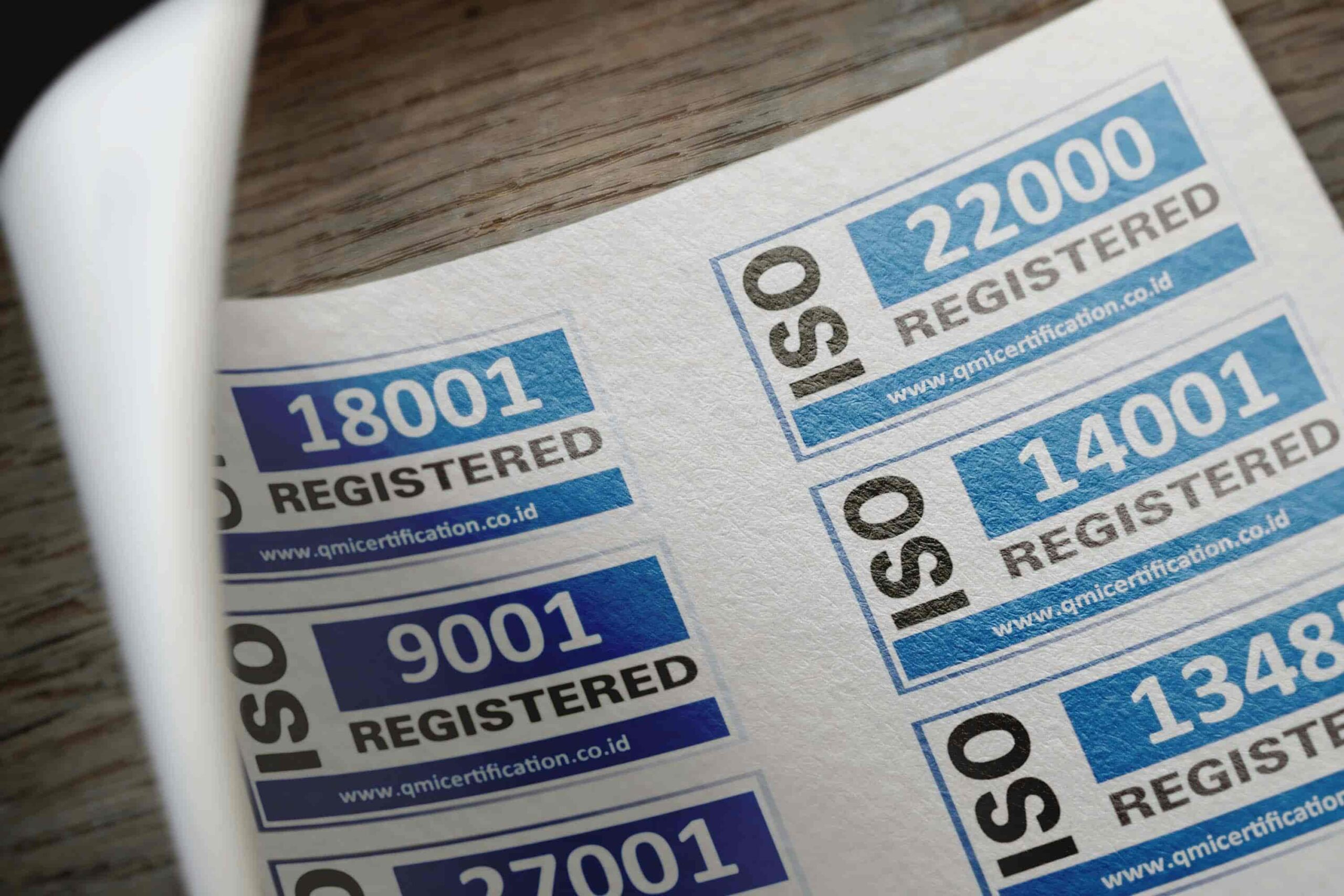
Sustainable fashion certifications including GOTS and fair trade labels on clothing
How to Build a More Sustainable Wardrobe
Step 1: Shop Less
The single most powerful sustainable fashion action is consuming less. The most sustainable garment is the one that already exists. Before buying anything new, ask: Do I already own something that serves this purpose?
Step 2: Choose Quality Over Quantity
Invest in well-made pieces that last years, not months. A $120 well-constructed linen dress worn 50 times has a lower per-wear cost — and environmental footprint — than a $30 fast-fashion version worn 5 times.
Step 3: Buy Secondhand
Thrift stores, vintage shops, resale platforms (Depop, ThredUp, The RealReal, Vestiaire Collective) give existing garments a second life. The most sustainable garment is one that doesn’t require new production at all.
Step 4: Rent for Special Occasions
For formal events, weddings, or parties — occasions that require specific garments worn once or rarely — consider renting rather than buying. Rental platforms like Rent the Runway, By Rotation, and HURR circulate garments among multiple users.
Step 5: Choose Sustainable Fabrics
When buying new, choose natural, renewable, or recycled fibers: organic cotton, linen, hemp, Tencel/Lyocell, Piñatex (pineapple leather), recycled wool, or recycled polyester over virgin synthetic fabrics.
Step 6: Research Brands
Look for transparent brands that publish their supply chain information, hold certifications, and commit to ongoing improvement. The Good On You app rates fashion brands on environmental, labor, and animal criteria.
Step 7: Care for Your Clothes
Proper care dramatically extends garment life. Wash at lower temperatures (30°C washes clean most garments while using 40% less energy than 40°C). Air dry when possible. Follow care labels. Repair rather than discard.
Step 8: Donate, Sell, Swap
When a garment no longer serves you, give it a second life. Donate to genuine charity shops (not textile recycling that ends up in landfill). Sell on resale platforms. Swap with friends. Repurpose fabric for home use.
The Limits of Individual Action
It’s important to acknowledge: sustainable fashion is not only a consumer responsibility. The systemic issues of the fashion industry require systemic change — regulation, corporate accountability, and industry-wide transformation.
Brands and governments must do more. Extended Producer Responsibility legislation (making brands responsible for their products’ end-of-life) is growing globally. The EU’s Sustainable Textile Strategy is among the most ambitious policy responses to date.
Individual choices matter — collective consumer pressure shapes markets — but the heaviest burden must fall on the industry, not the individual.
Continue Reading on Fashionnovation.com:
- Sustainable Fashion & Environmental Impact
- Kinky Curly Half Wig: A Sustainable & Inclusive Trend in Ethical Fashion
- Sustainable Scandinavia: To bring awareness to the fashion issues and solutions that already exist
- Fast Fashion Vs Slow Fashion: A Case Study
- Thrift Shopping Guide — fashionnovation.com/thrift-shopping-guide
- Upcycling Fashion Ideas — fashionnovation.com/upcycling-fashion-ideas



0 Comments