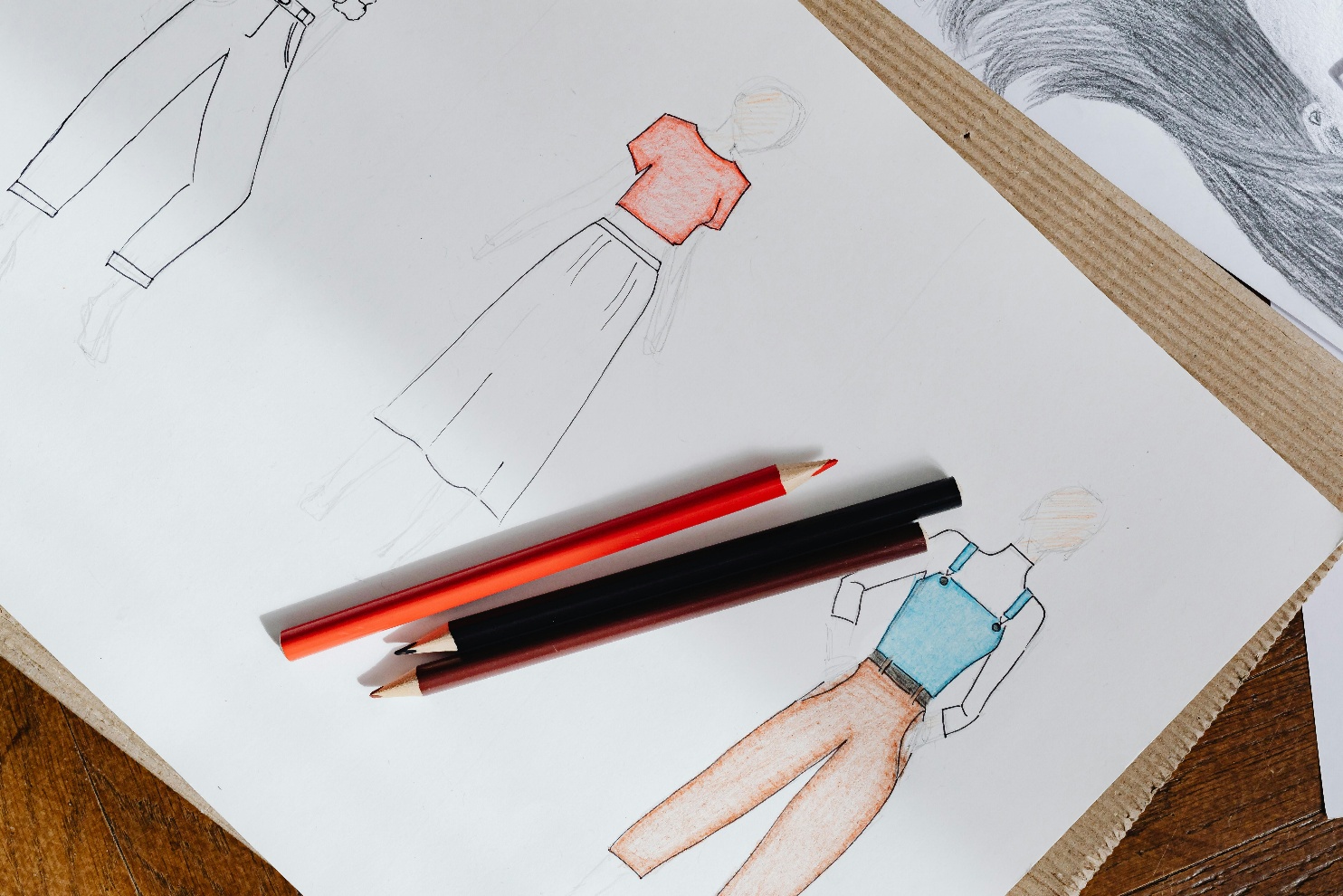
As the winter chill fades and the first signs of spring emerge, the fashion world is buzzing with anticipation for the Spring 2026 season. This year, trends are a vibrant mix of nostalgia, innovation, and sustainability, reflecting a global shift towards more conscious and expressive dressing. For fashion designers, students, and fashionistas, understanding these trends isn’t just about staying stylish—it’s about harnessing creativity, exploring new materials, and adapting to consumer demands for eco-friendly and versatile pieces.
Spring 2026 fashion trends draw inspiration from diverse sources: the bold hues seen on runways in New York, Milan, and Paris; the revival of Y2K aesthetics that blend fun with functionality; and groundbreaking sustainable materials like mycelium leather that challenge traditional production methods. According to recent reports, searches for “Spring 2026 fashion trends” have surged by over 40% in the past month, indicating a massive interest that could translate to high traffic for content creators and websites like Fashionnovation.
In this comprehensive guide, we’ll break down the key Spring 2026 fashion trends, offering insights on how to incorporate them into designs, wardrobes, and educational projects. Whether you’re a student sketching your first collection or a designer prototyping sustainable garments, these trends provide endless opportunities for innovation. We’ll also discuss SEO-friendly ways to leverage these trends in your work, ensuring your creations rank high in search results and attract views.
Let’s dive into the trends that are set to dominate, complete with visual inspirations and practical tips.
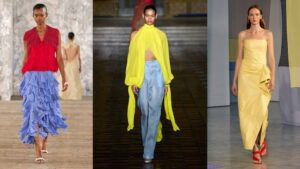
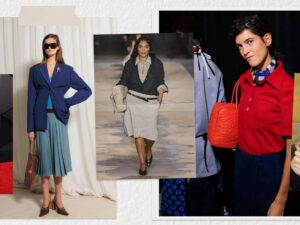
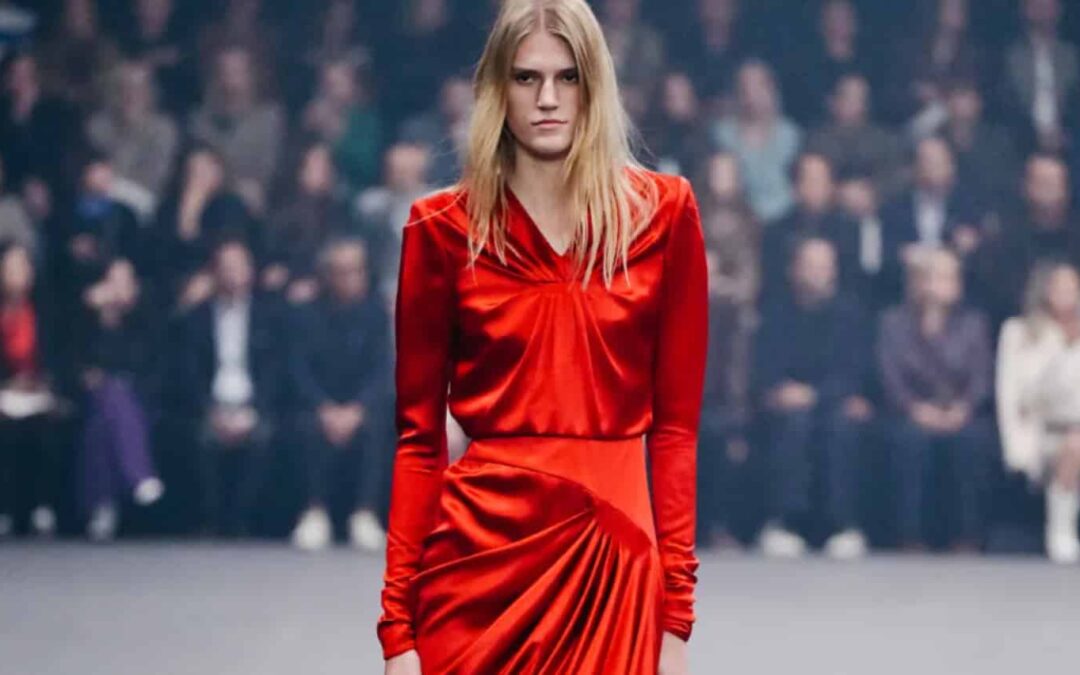
Spring 2026 Trend: Bold Colors [PHOTOS]
Trend 1: Bold Colors – Vibrancy Meets Versatility
One of the standout Spring 2026 fashion trends is the explosion of bold colors, moving away from muted palettes to saturated primaries like electric blue, vibrant red, and sunny yellow. This trend, highlighted in collections from Valentino and others, emphasizes color blocking and unexpected combinations that add energy to everyday outfits.
For designers, bold colors offer a canvas for experimentation. Consider how saturated hues can elevate basics: a red satin top paired with blue ruffled skirts, as seen in recent runway shows. Students can study color theory here—primary colors evoke emotion and can be used to create inclusive designs for diverse skin tones. Fashionistas, on the other hand, can start small by incorporating colorful accessories like tassel jewelry or pouch bags into neutral wardrobes.
Why is this trend SEO gold? Searches for “bold color outfits Spring 2026” are climbing, with potential for 50,000+ daily views on well-optimized articles. To rank top, include long-tail keywords like “how to style bold colors for spring” and backlinks to color psychology resources.
Practical tips:
For Designers: Use digital tools like Adobe Color to prototype palettes. Experiment with fabrics that hold dye well, such as silk or cotton blends.
For Students: Analyze runway photos from Who What Wear for inspiration. Create mood boards focusing on color harmony.
For Fashionistas: Mix primaries with neutrals—think a yellow blouse with white jeans for an instant hit.
This trend’s versatility makes it accessible, ensuring it resonates globally and drives engagement.
Unexpected Color Combinations Trend Spring/Summer 2026 | Who What Wear
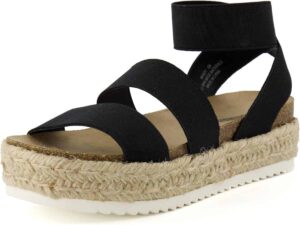
Flip-flops are getting a sophisticated upgrade in Spring 2026 with wedge heels, blending casual beach vibes with elevated style. This footwear trend, predicted to dominate from brands like Cosmopolitan’s featured collections, features espadrille-like soles and strappy designs that add height without sacrificing comfort.
For aspiring designers, this is an opportunity to innovate in sustainable footwear. Use materials like cork or recycled rubber for wedges, focusing on arch support for all-day wear. Students can explore ergonomics in fashion design classes, prototyping pairs that cater to different foot shapes.
Fashionistas will love how these shoes transition from day to night—pair them with knee-length skirts or silky tops for a polished look. With searches for “wedge heel flip flops 2026” spiking, this trend could garner massive views if positioned as “must-have spring shoes.”
Tips:
–Designers: Incorporate adjustable straps for inclusivity.
– Students: Research historical flip-flop evolutions for essays or projects.
– Fashionistas: Opt for neutral colors like black or tan for versatility.
This trend underscores the blend of practicality and glamour in modern fashion.
Amazon.com | CUSHIONAIRE Mandy Wedge Sandals for Women 2026 – Strappy Platform Sandals with Arch Support, Cute Summer Espadrille-Style Platform Dressy Slip-On, BLACK 6 | Platforms & Wedges
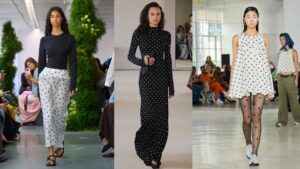
Polka dots are back with a vengeance in Spring 2026, evolving from classic black-and-white to bold, oversized prints in unexpected colors. Seen in Teen Vogue’s trend reports, this pattern adds whimsy to dresses, tights, and even accessories.
Designers can play with scale—large dots for statement pieces, small for subtle elegance. Students, consider cultural influences: polka dots have roots in flamenco and mid-century fashion, perfect for historical analyses.
For fashionistas, layer polka dot items with solids to avoid overwhelm. SEO potential is high with queries like “polka dot outfits Spring 2026,” potentially hitting 50,000 views daily on viral content.
Tips:
Designers: Use digital printing for custom patterns.
Students: Create collections mixing polka dots with other trends like bold colors.
Fashionistas: Try polka dot tights under shorts for a trendy twist.
Kendall Jenner Models Spring 2026’s Polka Dot Trend at Khaite | Marie Claire
Trend 4: Sustainable Materials – The Rise of Mycelium Leather
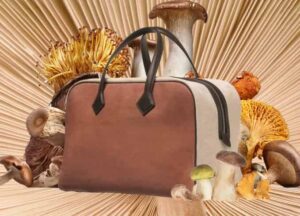
Sustainability takes center stage with mycelium leather, a mushroom-based alternative to animal hide. As detailed in recent studies and X posts, this material is durable, biodegradable, and produced with minimal environmental impact.
For designers, mycelium offers ethical innovation—craft bags, shoes, and jackets that rival traditional leather in strength. Brands like MycoWorks are leading, making it accessible for small-scale production.
Students can delve into bio-fabrication, experimenting in labs or workshops. Fashionistas benefit from guilt-free luxury, with items like mycelium bags becoming status symbols.
With “sustainable fashion 2026” searches soaring, this trend could drive massive traffic. Optimize with keywords like “mycelium leather benefits.”
Tips:
– Designers: Partner with biotech firms for custom sheets.
– Students: Write theses on fungi in fashion.
– Fashionistas: Invest in versatile pieces like totes.
Mushroom Leather Is the Next Big Thing in Sustainable Fashion – PureWow
Trend 5: Preppy and Literary Chic – Intellectual Elegance
Preppy styles meet “literary chic” in Spring 2026, with pleated skirts, blazers, and collars evoking bookish sophistication. Vogue highlights this as a softer take on dark academia, with brands like Prada leading.
Designers can focus on tailoring—structured yet comfortable pieces for modern lifestyles. Students, explore literary influences in design history.
Fashionistas: Layer blazers over dresses for effortless chic. Searches for “preppy outfits 2026” indicate high engagement potential.
Tips:
Designers: Use wool blends for durability.
Students: Analyze Chanel’s influence.
Fashionistas: Add brooches for personalization.
From the Runway to Book Club: Literary Chic is Dominating Spring Summer 2026 | Vogue
Trend 6: Y2K Revival – Nostalgic Fun Returns
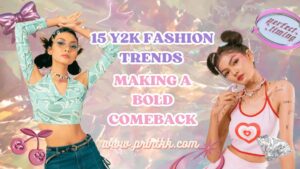
Y2K aesthetics are resurging, with low-rise jeans, crop tops, and shiny accessories. As per Parade and X trends, this playful vibe mixes 2000s flair with 2026 twists.
Designers: Update classics with sustainable fabrics. Students: Study cultural impacts of early 2000s fashion.
Fashionistas: Balance with modern pieces for wearability. “Y2K fashion 2026” searches promise viral potential.
Tips:
Designers: Incorporate tech like LED accents.
Students: Create revival collections.
Fashionistas: Pair low-rises with oversized tops.
15 Y2K Fashion Trends Making a Bold Comeback in 2026
Conclusion
Spring 2026 fashion trends offer a rich tapestry for creativity and education. From bold colors to sustainable mycelium, these elements empower designers, students, and fashionistas to innovate responsibly. By embracing these, you can create pieces that not only trend but endure.
FAQ
Q: How can students incorporate Spring 2026 trends? A: Start with mood boards and prototypes.
Q: Are these sustainable? A: Yes, focus on eco-materials for longevity.
Of all the dress codes in modern life, “smart casual” is the most misunderstood. “Business casual” has clear parameters. “Formal” is self-explanatory. But “smart casual” — used on invitations, in workplace dress code policies, and on restaurant signs worldwide — sits in an ambiguous middle ground that leaves many people staring at their wardrobe in confusion.
Is a blazer too formal? Are jeans acceptable? What does “smart” actually mean in this context? This guide ends the confusion once and for all, with a complete breakdown of smart casual dressing for every context, for both men and women.
What Does “Smart Casual” Mean?
Smart casual sits between business casual and casual on the formality spectrum. It represents a polished, put-together appearance that is relaxed enough for social situations but refined enough for semi-professional environments.
The “smart” component means: clean lines, quality fabrics, no rips, tears, or overtly casual pieces (athletic wear, hoodies).
The “casual” component means: not a full suit. Not tie required. Relative comfort and relaxed elegance.
Smart casual is the dress code of:
Upscale restaurants (casual fine dining)
Cocktail parties that specify “casual”
Creative workplace dress codes
Networking events
Date nights
Gallery openings, art events
Wedding guest (when specified as smart casual)
Many international hotel dining rooms
Smart casual mens outfit with well-fitted trousers shirt and leather shoes
The Smart Casual Spectrum
Smart casual exists on a spectrum. Context determines where on that spectrum you land:
More formal smart casual (approaching business casual):
Premium leather sneakers (white, clean, minimal branding) at the relaxed end
No:
Running shoes
Sandals (unless a very warm-climate, relaxed event)
Work boots
Outerwear
Yes:
Blazer or sport coat (the single most useful smart casual piece for men)
Trench coat or camel overcoat
Leather or suede jacket
No:
Hoodies
Varsity or baseball jackets
Parka-style down jackets to the event
Smart casual outfit transitioning from office daytime to evening wear
The Blazer: The Smart Casual Cheat Code
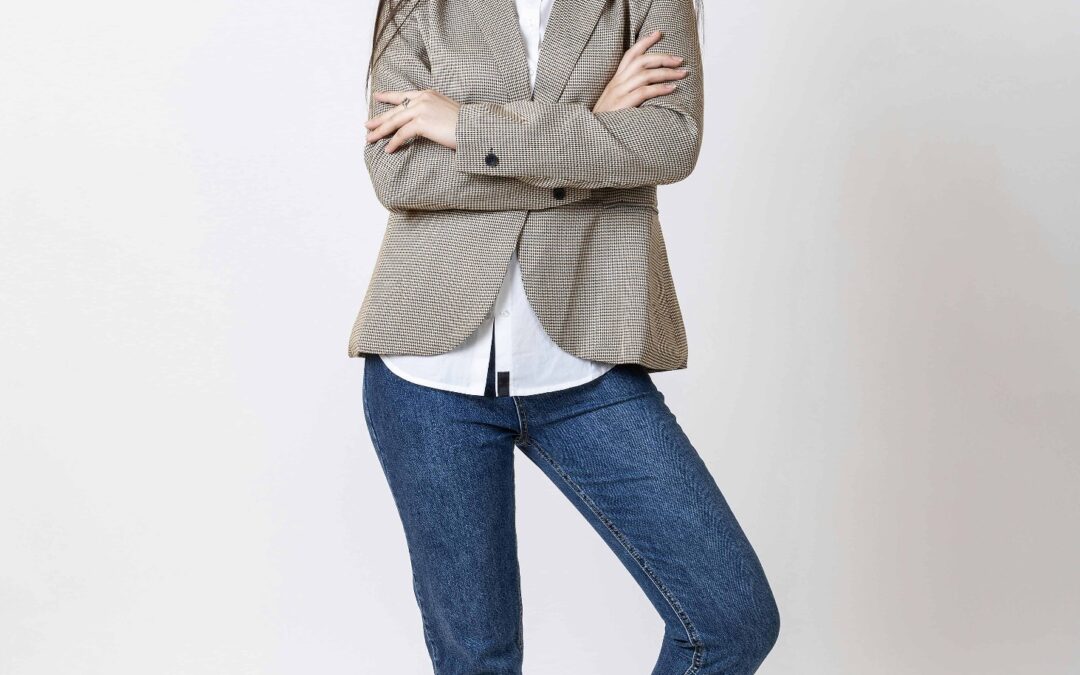
For both men and women, a well-fitting blazer is the single most reliable smart casual piece. A blazer instantly elevates almost any outfit into smart casual territory.
The formula: Take a casual base outfit (jeans + tee, knit + trousers) and add a blazer. You’ve just crossed the threshold from casual to smart casual in one move.
Best blazer styles for smart casual:
Single-breasted in navy, black, camel, or grey
Unstructured or lightly structured (more relaxed than a suit blazer)
Slightly oversized for a modern, relaxed cut
Or perfectly fitted for a classic, polished look
Smart Casual Outfit Ideas
Women’s Smart Casual Outfits
**Classic:** Dark skinny jeans + white silk blouse + black pointed-toe heeled mules + small leather clutch
**Modern:** Wide-leg camel trousers + fitted black turtleneck + tan ankle boots + gold jewelry
**Relaxed:** Navy wrap dress + white leather sneakers + structured tote bag
**Summer:** White midi skirt + fitted linen shirt tucked in + tan leather sandals
**Winter:** Black tailored trousers + fine-knit burgundy sweater + black ankle boots + trench coat
Men’s Smart Casual Outfits
**Classic:** Dark chinos + white button-down (untucked) + navy blazer + tan loafers
**Modern:** Slim dark jeans + slim-fit grey merino crew-neck + white leather low-top sneakers
**Dressed up:** Black slim trousers + grey fine-knit turtleneck + black Chelsea boots
**Summer:** Pale linen trousers + plain white linen shirt + tan leather sandals
**Work event:** Navy trousers + pale blue oxford shirt (top button open) + navy blazer + leather brogues
What to Avoid at All Costs in Smart Casual Settings
Fabric is the medium of fashion design. A painter chooses the right brush; a sculptor selects the right clay; a fashion designer selects the right fabric. The fabric you choose doesn’t just determine how a garment looks — it determines how it moves, how it feels against skin, how it drapes on the body, how it holds its shape, and how it ages over years of wear.
Understanding fabric is not optional for a fashion designer. It is foundational. This comprehensive reference guide covers every major fabric type a designer encounters, organized by category, with properties, typical uses, care requirements, and design considerations for each.
Part 1: Natural Fabrics
Natural fabrics are made from fibers derived from plants or animals. They are generally breathable, biodegradable, and comfortable — and they remain the backbone of quality fashion.
Cotton
What it is: Woven or knit fabric made from the fibers of the cotton plant’s seed pods.
Properties:
Soft and comfortable against skin
Highly breathable — ideal for warm weather
Absorbs moisture (sweat) effectively
Easy to dye — takes color brilliantly
Strong and durable
Prone to wrinkling
Can shrink if not pre-washed
Common weaves and types: Poplin (crisp, lightweight), Oxford (basketweave, casual), Chambray (denim-like but lighter), Voile (sheer), Jersey (knit, stretchy), Canvas (heavy-duty), Muslin (plain weave, used for garment mockups)
Designer tip: Always pre-wash cotton before cutting to account for shrinkage. Organic cotton has the same properties as conventional cotton but is more sustainable.
Linen
What it is: Fabric woven from the fibers of the flax plant. One of the world’s oldest textiles.
Properties:
Strong — actually stronger than cotton
Highly breathable and moisture-wicking
Gets softer with every wash
Naturally wrinkle-prone (often treated as a design feature)
Slightly stiff when new
Biodegradable and sustainable
Best for: Summer garments (shirts, trousers, dresses), resort wear, structured jackets, home fashion
Designer tip: Linen wrinkles are part of its charm, not a flaw. Design linen pieces with this in mind — avoid designs where a polished look is essential. Stone-washed linen has a softer, more relaxed texture.
Silk
What it is: Natural protein fiber produced by silkworms (Bombyx mori) to form their cocoons.
Properties:
Lustrous, smooth, and beautiful to touch
Lightweight but strong
Temperature-regulating (cool in summer, warm in winter)
Best for: Eveningwear, blouses, lingerie, bridal, luxury accessories, linings
Designer tip: Silk shows pin marks and needle holes permanently — always test before pinning or cutting. Use fine, sharp needles and silk thread for sewing.
Wool
What it is: Protein fiber from the fleece of sheep (or other animals — cashmere from goats, mohair from Angora goats, alpaca from alpacas).
Properties:
Naturally insulating — warm in winter
Moisture-wicking — absorbs up to 30% of its weight in moisture before feeling wet
Fire resistant
Naturally wrinkle-resistant
Can be scratchy (depends on wool grade — merino is soft)
May shrink or felt if washed incorrectly
Common types: Merino (fine, soft, excellent for base layers and tailoring), Tweed (coarse, textured, durable), Flannel (napped, soft, perfect for tailoring), Boiled wool (felted, no fraying, excellent for structured pieces), Cashmere (ultra-soft, lightweight warmth), Crepe wool (slightly textured, excellent drape)
Best for: Tailored suits, outerwear, knitwear, winter dresses, trousers
Designer tip: Use a pressing cloth when ironing wool — direct heat can flatten and damage the fiber. Most wool requires dry cleaning unless labeled machine-washable.
Close up detail of natural fabrics including cotton and linen texture
Part 2: Synthetic Fabrics
Synthetic fabrics are manufactured from chemical compounds — primarily petroleum-derived polymers. They offer properties that natural fibers cannot match, but come with environmental trade-offs.
Polyester
What it is: The world’s most widely used synthetic fiber, made from petroleum-derived polyethylene terephthalate (PET).
Properties:
Highly durable and wrinkle-resistant
Quick-drying
Does not absorb moisture well (can feel sweaty against skin)
Holds shape excellently
Resists stretching and shrinking
Easy to care for — machine washable
Less breathable than natural fibers
Sheds microplastics when washed
Common types: Chiffon polyester, satin polyester, polar fleece, technical fabrics
Best for: Activewear, athleisure, lining, blended fabrics, workwear
Designer tip: Polyester is most useful when blended with natural fibers. A poly-cotton blend, for example, combines cotton’s breathability with polyester’s durability and wrinkle resistance.
Nylon (Polyamide)
What it is: The first fully synthetic fiber, invented by DuPont in 1938.
Properties:
Very strong and lightweight
Extremely abrasion-resistant
Smooth, lustrous surface
Quick-drying
Stretches and recovers well
Low moisture absorption
Best for: Activewear, swimwear, hosiery, outerwear linings, technical clothing, bags
Spandex / Lycra / Elastane
What it is: A highly elastic synthetic fiber (these three names refer to the same material under different brand/generic names).
Properties:
Can stretch 500–600% of its length and recover perfectly
Always blended with other fibers, never used alone
Adds stretch and recovery to any fabric it’s combined with
Best for: Any garment requiring stretch — swimwear, activewear, shapewear, fitted dresses, jeans (denim + spandex blends)
Designer tip: Even 2–5% spandex in a fabric blend dramatically increases comfort and fit. The standard denim-spandex blend is 98% cotton / 2% elastane.
Viscose / Rayon
What it is: A semi-synthetic fabric made from regenerated cellulose fiber (usually from wood pulp). It bridges natural and synthetic.
Properties:
Soft and lightweight
Drapes beautifully — often compared to silk
Breathable
Absorbs moisture
Wrinkles easily
Can shrink or lose shape when wet
Less durable than cotton
Common types: Standard viscose, Modal (softer, more durable), Lyocell/Tencel (most sustainable, stronger, less prone to shrinkage)
Best for: Dresses, blouses, linings, summer garments, affordable “silk-look” pieces
Part 3: Performance and Technical Fabrics
Modern technology has created a category of fabrics designed for specific performance needs beyond basic clothing.
Gore-Tex
A waterproof, windproof, and breathable membrane laminated onto other fabrics. The go-to material for outdoor technical clothing and performance outerwear.
Schoeller (c_change, NanoSphere)
Swiss technical fabrics with remarkable properties: stretch, weather resistance, water repellency, and soft hand. Used by high-performance outdoor and luxury technical brands.
Thermolite and PrimaLoft
High-performance insulation materials used as fill in jackets, vests, and sleeping bags. Mimic the warmth of down with better wet-weather performance.
Part 4: Fabric Weight and Weave
Understanding Fabric Weight
Fabric weight is measured in grams per square meter (GSM) or ounces per square yard (OZ).
Fashion sketching is the language of fashion design. Before a garment is cut from fabric, before a pattern is made, before a factory receives a spec sheet — there is a sketch. A sketch that captures an idea, communicates a mood, and translates a creative vision into something tangible.
If you’re new to fashion design or dreaming of a career in it, developing your sketching ability is your single most powerful first move. And the good news? You do not need to be a born artist. Fashion sketching is a learnable technical skill — one that improves dramatically and quickly with the right instruction and consistent practice.
This guide walks you through everything: the tools, the proportions, the techniques, and the exercises that will take you from your first wobbly line to a confident, professional fashion illustration.
1. Why Fashion Sketching Matters
Fashion sketching serves multiple professional purposes that make it indispensable for designers at every level:
Design Ideation: Sketching is thinking on paper. The act of drawing forces you to commit to and refine ideas that might otherwise stay vague in your mind.
Client and Team Communication: When collaborating with pattern makers, manufacturers, or clients, a clear sketch communicates design intent far faster than words.
Portfolio Development: Your fashion illustrations are often the first thing a prospective employer or client sees. Strong sketching elevates every portfolio.
Creative Record: A filled sketchbook is an archive of your creative development — invaluable for reference, inspiration, and tracking your growth.
Even in an era of 3D design software and AI-generated images, hand sketching remains a core competency that distinguishes skilled designers from hobbyists.
Fashion croquis figure proportions sketched on paper showing body elongation
2. The Fashion Croquis Explained
The word “croquis” (pronounced kroh-KEE) comes from French, meaning “rough sketch.” In fashion, a croquis is the standardized elongated human figure that serves as the template for drawing garments.
Unlike realistic human proportions (which average 7–7.5 heads tall), the fashion croquis is typically 9 to 10 heads tall. This exaggerated proportion creates the aesthetic elongation associated with fashion illustration — the long legs, narrow torso, and elegant silhouette that show off garments beautifully.
Standard Fashion Croquis Proportions
**Head:** The unit of measurement. Everything else is measured in “heads.”
**Shoulder line:** 1.5 heads from the top
**Bust line:** 2 heads from the top
**Waist line:** 3 heads from the top
**Hip line:** 4 heads from the top
**Knee:** 6 heads from the top
**Ankle:** 8.5–9 heads from the top
Print or trace croquis templates to begin with — there’s no shame in using templates as a learning tool. As your skills develop, you’ll internalize these proportions and draw freehand with confidence.
3. Understanding Fashion Proportion
Proportion is the foundation of believable fashion illustration. The most common beginner mistake is drawing figures that look awkward because the proportions are off — a head too large, legs too short, arms too long.
Key proportions to internalize:
**Arms** reach from shoulder to mid-thigh on the fashion figure
**Hands** are roughly the same size as the face
**Shoulders** are approximately 1.5x the width of the hips in a standard female figure (reverse for male)
**The natural waist** sits 3 heads from the top, well above where jeans typically sit
**Feet** are one head length long
Study real fashion photographs and runway images, not to copy them but to train your eye to read body proportions accurately.
4. Tools and Materials You Need
One of the joys of fashion sketching is that you don’t need expensive tools to start. Here’s what to gather:
Essential Tools for Beginners
Paper:
Layout/marker paper (semi-transparent, perfect for tracing croquis and layering sketches)
Sketchbooks (any quality — consistency of use matters more than quality at this stage)
Pencils:
HB pencil for light construction lines
2B or 4B for darker final lines
Fine-point black ink pen (Micron 05 or Staedtler) for final line work
Markers:
Copic or Prismacolor alcohol-based markers are the industry standard for rendering garments
Start with a limited palette of 12–24 colors including skin tones, neutrals, and 2–3 fashion colors
Other essentials:
Ruler and French curves for technical straight lines
Kneaded eraser
Colored pencils for texture details
Digital Tools (Optional, but increasingly important)
iPad + Apple Pencil with Procreate ($12.99 one-time) — industry-standard digital sketching
Adobe Fresco (free with Adobe subscription)
Clip Studio Paint
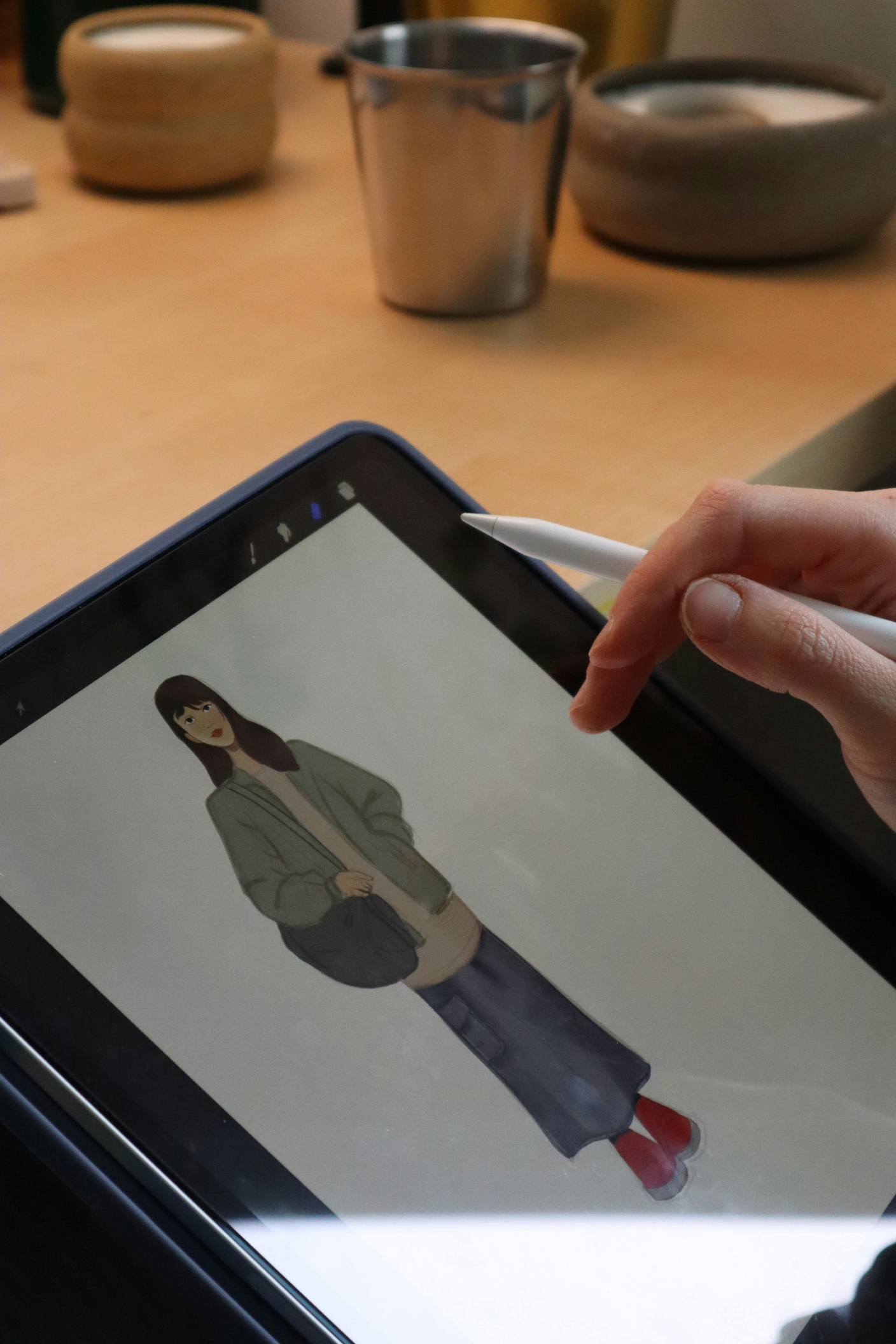
Digital fashion illustration created on iPad with Apple Pencil
5. Step-by-Step: Drawing Your First Fashion Figure
Follow these steps sequentially. Don’t try to skip steps — each builds on the last.
Step 1: Draw the Vertical Action Line
Draw a light vertical line approximately 25cm tall. This is your center axis and will keep your figure balanced.
Step 2: Mark the Head
At the top of your line, lightly sketch an oval for the head. This head size becomes your unit of measurement for the rest of the figure.
Step 3: Mark the Key Points
Using your head as a measuring unit, make small horizontal marks at the positions for shoulders (1.5 heads), bust (2 heads), waist (3 heads), hips (4 heads), knees (6 heads), and ankle (8.5 heads).
Step 4: Block in the Torso
Draw the shoulder line as a horizontal shape (wider than hips), then draw two curved lines connecting shoulders to the bust/waist area. The torso tapers at the waist, then gently widens to the hip.
Step 5: Add the Legs
From the hip points, draw two slightly tapered forms narrowing to the knees, then continuing to the ankles. Fashion legs are long and elegant — don’t make them too short.
Step 6: Add the Arms
Arms hang from the shoulder joint and have a slight curve. The elbow falls at the waist level. The hand reaches mid-thigh.
Step 7: Refine and Add the Head
Sketch the neck (surprisingly narrow — about 1/3 of the head width), then refine the head shape. Add minimal facial features: a horizontal guideline at mid-face for the eyes, another midway below for the nose, another for the mouth.
Step 8: Draw the Garment
Now that your figure is established, draw the garment over it. Think of fabric falling over the body — it follows contours at pressure points (shoulders, bust, hips) and falls away from the body elsewhere. Indicate folds and drape with flowing lines from these pressure points.
Step 9: Ink and Erase
Once happy with your pencil sketch, trace the final lines in black ink. Let dry completely, then erase all pencil marks.
Step 10: Render
Apply color using markers, colored pencils, or digital tools. Start light and build up depth. Leave highlights on shiny fabrics.
6. How to Sketch Different Clothing Categories
Tops and Blouses
Focus on the neckline shape, sleeve style, and where the hem falls relative to the figure’s waist. Indicate drape and gathering with light curved lines flowing from seams.
Trousers and Skirts
Draw the waistband first, then indicate the silhouette shape — tapered, wide-leg, A-line, pencil. Show the crotch curve on trousers. Indicate fabric weight through the amount of fold and drape lines (fewer lines = stiff fabric, more flowing lines = soft fabric).
Dresses
Combine the elements of tops and skirts. Pay special attention to how the dress interacts with the body — where it clings, where it falls away.
Outerwear (Coats and Jackets)
Draw larger and slightly further from the body to indicate the garment’s bulk. Structured outerwear has sharper, more geometric lines. Unstructured outerwear has softer, more flowing lines.
Accessories
Draw shoes from a three-quarter perspective. Handbags are drawn in perspective, slightly separated from the body. Jewelry is indicated with light lines and dots rather than heavy detail.
7. Rendering Fabrics and Textures
The ability to make a flat sketch communicate the feel and weight of a fabric is what separates skilled illustrators from beginners.
Silk and Satin: Long, flowing drape lines. Strong highlights (leave white space or use a white pen). Luminous, gradient color application with smooth transitions.
Denim: Angular, structured fold lines. Slightly uneven color application suggesting worn texture. White pencil for topstitching details.
Knitwear: Indicate the knit texture with light hatching or crosshatching across the garment surface. Softer, more organic fold lines. Thicker hems and ribbing at cuffs.
Lace: Draw the base garment shape first, then add an organic, irregular network of dots and fine lines over the top to suggest lace pattern. Leave some areas lighter to show the sheer quality.
Leather: Very few drape lines — leather is stiff. Strong sharp highlights. Deep, dark shadows in folds.
Chiffon: Extremely light, flowing, multi-layered drape lines. Barely-there color — build up very gradually. Ruffles and flyaway edges.
8. Digital Fashion Sketching Tools
Digital sketching has become a core industry skill. The main tools:
Procreate (iPad): The most popular digital sketching tool for fashion illustrators. Intuitive, powerful brushes, natural drawing feel with Apple Pencil. One-time purchase under $15.
Adobe Illustrator: The industry standard for technical flats — the “blueprint” drawings used for production. Not ideal for expressive fashion illustration but essential for professional workflow.
Adobe Fresco: Better than Illustrator for expressive fashion illustration. Excellent brush library, integrates with Photoshop.
CLO 3D: Advanced 3D garment visualization software. Used by major fashion brands to design, visualize, and fit garments before physical samples are made. Steep learning curve but increasingly essential.
Canva: For fashion presentation boards and portfolio layout, not sketching itself. Useful for arranging and presenting work professionally.
9. Practice Exercises to Improve Fast
Daily Warm-Up: 5 Croquis in 5 Minutes
Draw five quick, gestural fashion figures every morning. Don’t aim for perfection — aim for looseness and speed. This trains your hand to draw the proportions automatically.
Garment Copy Exercise
Choose a fashion photograph from a magazine or website. Sketch the garment shown as accurately as you can. This trains your eye to translate 3D garment information into 2D lines.
Sketchbook Challenges
**30-day challenge:** One garment sketch per day for 30 days
**Collection sprint:** Design a 5-look mini collection in one sitting
**Fabric rendering challenge:** Render the same garment in five different fabrics
Critique and Community
Share your work in online fashion illustration communities (Instagram, Behance, Clo 3D Community). Honest feedback from peers accelerates improvement dramatically.
Frequently Asked Questions
Q: How long does it take to learn fashion sketching?
With daily practice, most beginners reach a competent level within 3–6 months. Advanced illustration skills take 1–2 years of consistent effort.
Q: Do I need to be able to draw to do fashion design?
Basic sketching skill is important, but you don’t need to be an artist. Fashion sketching is a technical skill with learnable rules, not innate talent.
Q: What’s the best croquis template for beginners?
Search for “9-head croquis template” online. Many free printable versions are available. The Norma croquis from FIT is a widely used professional standard.
Q: Should I learn digital sketching or stick to hand sketching?
Learn hand sketching first to understand proportion and line quality. Add digital skills (Procreate or Illustrator) once you have solid fundamentals. Professional designers use both.
Fashion sketching is quick and functional — used to develop ideas. Fashion illustration is a more refined, artistic representation intended for presentation, portfolio, or publication.
Breaking into fashion design is one of the most exciting — and competitive — career moves you can make. The global fashion industry is worth over $1.7 trillion, and behind every garment, every runway collection, and every retail shelf is a designer who started exactly where you are now: with a passion for fashion and a dream of turning that passion into a profession.
But how do you actually start? What skills do you need? Do you need an expensive degree? How do you build a portfolio with no experience? This guide answers every question aspiring fashion designers ask, in the right order, so you can move from dreaming about fashion to working in it.
1. What Does a Fashion Designer Actually Do?
Before investing time and money into this career, it’s worth understanding what fashion designers actually do on a daily basis — because the glamorous runway version and the reality are often quite different.
Fashion designers create clothing, accessories, and footwear. Their work spans the full product lifecycle: researching trends, sketching concepts, selecting fabrics, overseeing pattern making, directing sample production, and presenting collections to buyers, press, or retail partners.
Depending on the company size, a fashion designer might:
Sketch dozens of designs per season
Source fabrics and trims from suppliers
Collaborate with patternmakers and seamstresses
Attend trade shows and trend forecasting events
Present designs in internal review meetings
Manage a team of junior designers or assistants
At smaller brands, one designer may do all of the above. At large corporations like Zara or H&M, designers are specialists who focus on a narrow part of the process.
Fashion design students working with fabric and pattern at design school
2. Do You Need a Degree to Become a Fashion Designer?
The honest answer: a degree helps, but it isn’t mandatory. What matters is your portfolio, your skills, and your network.
The Case for a Fashion Design Degree
A formal degree from an institution like the Fashion Institute of Technology (FIT), Parsons School of Design, Central Saint Martins, or ESMOD gives you structured learning, access to professional equipment (industrial sewing machines, laser cutters, CAD labs), a peer network, industry mentors, and graduate show opportunities that get you in front of real employers.
Many top fashion houses still screen candidates by education pedigree for entry-level design roles.
The Case for Self-Teaching + Courses
Many successful designers are largely self-taught. The rise of platforms like Skillshare, Coursera, MasterClass, and YouTube has made fashion education accessible to anyone. Online certificates from reputable institutions like Polimoda or the London College of Fashion carry real weight.
If you’re budget-conscious or career-changing, a combination of online courses + personal projects + relentless portfolio building can absolutely lead to a successful career, especially in indie fashion, streetwear, or entrepreneurship.
The Hybrid Approach (Best of Both)
Consider a two-year associate degree or certificate program rather than a full four-year degree. You get the credential, the equipment access, and the mentorship at a fraction of the cost.
3. Essential Skills Every Aspiring Fashion Designer Needs
Regardless of your education path, these skills are non-negotiable if you want to work as a fashion designer.
Technical Skills
Sketching and Fashion Illustration: You need to be able to communicate your ideas visually. This doesn’t mean gallery-level art — it means clear, proportional fashion figures with recognizable garment details. Practice daily.
Pattern Making: Understanding how flat fabric becomes a three-dimensional garment is foundational. Learn both manual pattern drafting and software-based pattern making.
Sewing and Construction: Even if you never sew a stitch professionally, knowing how garments are constructed makes you a better designer. Take sewing classes early.
Draping: The art of arranging fabric on a dress form to create design shapes directly. Draping skills set great designers apart from good ones.
CAD / Design Software: Adobe Illustrator for technical flats, CLO 3D or Browzwear for 3D garment visualization, and Photoshop for presentation boards are the industry standard tools.
Creative and Soft Skills
Trend Awareness: Designers who can anticipate what consumers will want six to twelve months from now are invaluable. Follow fashion weeks, trend forecasting services, cultural movements, and street style.
Color Sensibility: Developing a strong instinct for color — how colors relate, how they communicate mood, how they work across seasons — is a learnable but critical skill.
Communication: You’ll pitch ideas to buyers, brief factories, and collaborate with merchandising teams. The ability to communicate your creative vision clearly is as important as the vision itself.
Resilience: Rejection is constant in fashion. Collections get cut, ideas get dismissed, applications go unanswered. Building resilience early saves your career.
4. How to Practice Fashion Design at Home
You don’t need a professional studio to begin learning fashion design. Many successful designers started by practicing at home with basic tools and inexpensive materials.
Begin with a simple sketchbook, pencils, and markers to practice fashion illustration daily. Observing clothing details—such as collars, seams, drapes, and fabric textures—will train your eye to notice how garments are constructed.
You can also practice by recreating existing garments. Take an old shirt or dress and try to sketch its pattern pieces, or alter it into a new design. This hands-on experimentation teaches you how fabric behaves and how design decisions affect the final garment.
Digital tools are also increasingly accessible. Programs like Adobe Illustrator allow designers to create professional technical sketches, while tools like CLO 3D let designers visualize garments virtually before producing physical samples.
Consistent practice—even for 30 minutes a day—can dramatically improve both your technical and creative skills.
5. Building Your Fashion Design Education
Recommended Learning Path for Beginners
Year 1: Foundations
Learn fashion sketching (books: *Fashion Design Drawing Course* by Caroline Tatham; YouTube channels: Mina Hasan, Tehmina Hayat)
Take beginner sewing classes (local classes or online via Craftsy)
Study color theory and fabric fundamentals
Start a fashion sketchbook — fill it daily
Year 2: Skills Development
Learn pattern making (Winifred Aldrich’s *Metric Pattern Cutting* is the bible)
Master Adobe Illustrator for technical flats
Learn draping on a dress form
Take a business/fashion industry overview course
Year 3: Specialization and Portfolio
Choose your niche (womenswear, menswear, sportswear, accessories, etc.)
Build 3–5 full collections for your portfolio
Enter design competitions (LVMH Prize, CFDA competition, local competitions)
Intern or assist a local designer
Top Resources
**Books:** *The Fashion Designer’s Survival Guide* by Mary Gehlhar; *Patternmaking for Fashion Design* by Helen Armstrong
**Online:** Central Saint Martins Short Courses, FIT online certificates, Skillshare fashion courses
**Industry media:** Business of Fashion (BOF), WWD, Vogue Business — read daily
Fashion design portfolio with sketches markers and tools flat lay
6. Creating a Standout Fashion Portfolio
Your portfolio is your most important career tool. It replaces your resume in most fashion hiring contexts. A weak portfolio kills applications no matter how strong the rest of your credentials are.
What to Include in a Fashion Portfolio
**5–8 fully developed collections** (each with research pages, sketches, fabric swatches, finished garments or detailed technical flats)
**Fashion illustrations** showing your figure and rendering style
**Technical flats** (Adobe Illustrator line drawings of garments)
**Mood boards and concept boards** showing your research process
**Fabric and trim samples** where possible
**Any press coverage, competition awards, or published work**
Portfolio Format
**Physical portfolio:** A professional book, A3 or A4 size, with a clean, cohesive layout. Used for in-person interviews.
**Digital portfolio:** A website (Behance, your own site, or a PDF deck). This is what most employers see first.
**Instagram/visual social media:** Many designers now get discovered through Instagram. Keep a professional-looking feed that showcases your design work.
Common Portfolio Mistakes
Including too much student work without context
Inconsistent aesthetic — your portfolio should have a clear point of view
Missing technical flats — employers need to see you can communicate manufacturing specs
No photos of finished garments — if you’ve made something, photograph it well
7. How to Get Your First Job in Fashion
Start with Internships
Fashion internships — paid or unpaid — are the most common entry point. Look for internships at:
Local independent designers and boutiques
Fashion brands in your city
Costume departments for theater, TV, or film
Fashion magazines and editorial teams
Retail buying teams
Even an unpaid internship at a small local brand gives you real experience and portfolio pieces.
Freelance to Build Credibility
While applying for full-time roles, take freelance work: alterations, costume making, custom orders, or assisting at fashion shows. Freelance projects become portfolio pieces and references.
Network Relentlessly
Attend fashion shows, pop-up markets, trade shows, and industry events
Join fashion design associations in your region
Connect with alumni from your school who work in fashion
Follow and engage with designers on LinkedIn and Instagram
Volunteer at fashion weeks — even in a supporting role, you meet the people who hire
Apply Strategically
Target companies that align with your aesthetic and values. A designer obsessed with sustainable fashion will be miserable at a fast fashion retailer. Research every company before applying. Customize your cover letter for each application.
8. Fashion Design Career Paths and Specializations
Fashion design is not a single job. Here are the main career paths:
Womenswear Designer — The most competitive and populated area. High creative demand, high competition.
Menswear Designer — Slightly less competitive than womenswear, with growing opportunities in streetwear and luxury.
Childrenswear Designer — Often overlooked but stable and rewarding. Requires understanding of safety regulations and developmental needs.
Sportswear / Activewear Designer — One of the fastest-growing sectors. Technical fabric knowledge is essential.
Accessories Designer — Handbags, shoes, jewelry, hats. Often requires specialized training in leather goods or footwear construction.
Costume Designer — Working in film, TV, theater, or music. Requires fashion knowledge plus historical research skills.
Textile Designer — Designing the fabrics themselves, not just the garments. Printmaking, weaving, and surface design skills required.
Fashion Entrepreneur — Building your own brand. Requires design skills plus business, marketing, and operations knowledge.
9. Is Fashion Design Still a Good Career in the Age of AI?
Artificial intelligence is increasingly influencing the fashion industry. AI tools can analyze trends, generate design concepts, and predict consumer preferences. However, creativity, cultural understanding, and emotional storytelling remain deeply human strengths.
Many fashion brands now combine AI-driven insights with human creativity. Designers still play the central role in shaping collections, defining brand identity, and translating cultural ideas into wearable designs.
Rather than replacing designers, technology is becoming another tool in the creative process—similar to how digital illustration replaced some traditional drawing methods.
Aspiring designers who learn both creative design skills and digital tools will likely have the strongest opportunities in the future fashion industry.
**Skipping the business side.** Design without business acumen leads to exploitation or failed brands.
**Waiting until “ready” to show work.** There is no perfect time. Show your work now.
**Only following high fashion.** Understanding mass market, fast fashion, and contemporary fashion is as important as knowing haute couture.
**Neglecting construction knowledge.** Designers who can’t sew communicate poorly with manufacturers.
**Building a generic portfolio.** Every portfolio should have a clear, recognizable point of view.
Frequently Asked Questions
Q: How long does it take to become a fashion designer?
Most designers enter their first professional role 2–4 years after beginning their education, whether formal or self-directed.
Q: Can I become a fashion designer without knowing how to sew?
You can, but it puts you at a disadvantage. Understanding construction makes you a significantly better designer and communicator with manufacturers.
Q: What software do fashion designers use?
Adobe Illustrator (technical flats), CLO 3D (3D visualization), Photoshop (presentations), and increasingly AI tools for trend research and ideation.
Q: Is fashion design a good career?
It’s a fulfilling career for those passionate about it, but it is competitive and often underpaid at entry level. The designers who succeed combine creativity with business awareness and extraordinary persistence.
Q: What should I specialize in?
Start broad, then specialize based on what excites you most and where you show the most natural aptitude. Most designers find their niche within their first two years of working.
![Spring 2026 Trend: Bold Colors [PHOTOS]](https://www.fashionnovation.com/wp-content/uploads/2026/03/word-image-5465-1-300x170.jpeg)