The fashion industry is the second-largest consumer of water and is responsible for approximately 10% of annual global carbon emissions — more than international aviation and shipping combined. A single cotton t-shirt requires roughly 2,700 liters of water to produce. Every second, the equivalent of a garbage truck of textiles is dumped in landfill or burned.
These are uncomfortable numbers. But awareness of them has sparked one of the most significant movements in fashion’s history: the sustainable fashion movement.
If you’ve encountered terms like “sustainable fashion,” “ethical clothing,” “slow fashion,” or “circular fashion” and wondered what they actually mean — or how you can genuinely participate — this guide is your starting point.
What is Sustainable Fashion?
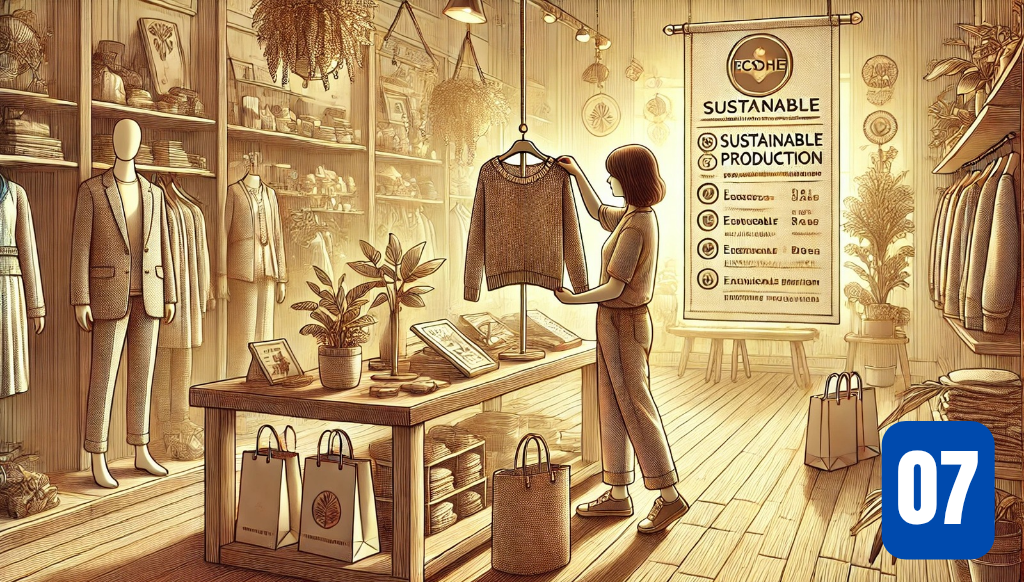
Sustainable fashion is an approach to designing, producing, distributing, and consuming clothing that minimizes environmental damage, reduces waste, and ensures fair treatment of workers throughout the supply chain.
It operates on two interconnected dimensions:
Environmental sustainability: Reducing the fashion industry’s impact on the planet. This includes using eco-friendly materials, reducing water and chemical use in production, minimizing waste, reducing carbon emissions, and designing for longevity and recyclability.
Social sustainability (Ethical fashion): Ensuring that every person involved in making your clothes — from cotton pickers to garment workers — earns a fair wage, works in safe conditions, and is treated with dignity.
True sustainable fashion requires both. A brand that uses organic cotton but pays its workers poverty wages is not fully sustainable. A brand that pays fair wages but ships garments globally in non-recyclable packaging is only partly sustainable.
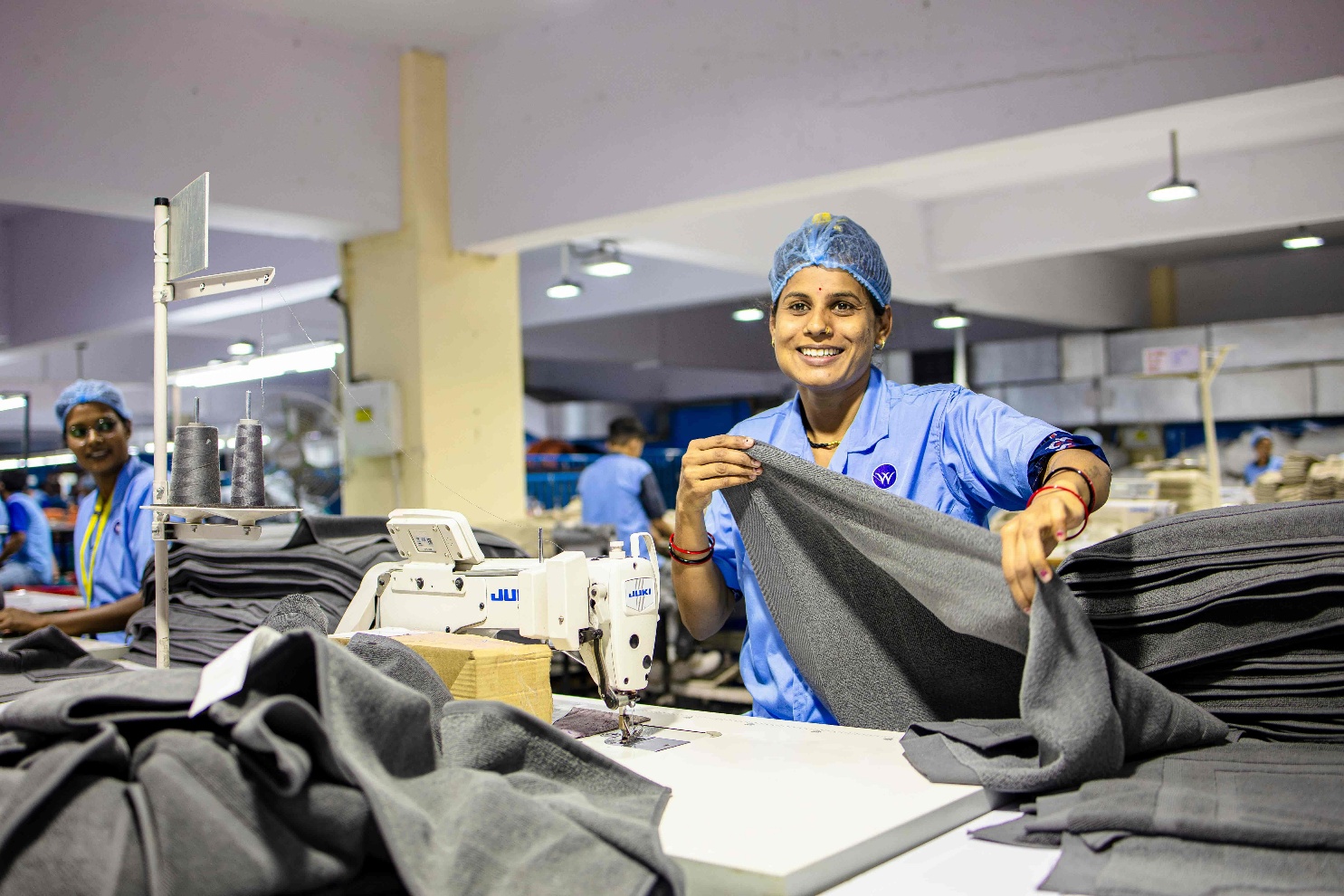
Ethical fashion production showing fair trade garment workers in safe conditions
Why Does Fashion Have a Sustainability Problem?
The modern fashion industry’s sustainability crisis has a single root cause: the rise of fast fashion.
Fast fashion — pioneered by brands like Zara, H&M, and Shein — transformed fashion from a twice-yearly seasonal activity into a constant cycle of micro-trends, producing 50–100 “micro-seasons” per year (versus the traditional two: spring/summer and fall/winter).
Fast fashion makes clothes cheap and abundant. The hidden cost: clothes are made as cheaply as possible (often with synthetic petrochemical fibers, in factories that pollute local waterways, by workers paid below living wages) and are designed to be worn a few times and discarded.
The result:
The average consumer buys 60% more clothing than 15 years ago
Clothing is kept half as long as it was 15 years ago
The US alone sends approximately 11.3 million tons of textile waste to landfill annually
85% of donated clothing eventually ends up in landfill or incineration
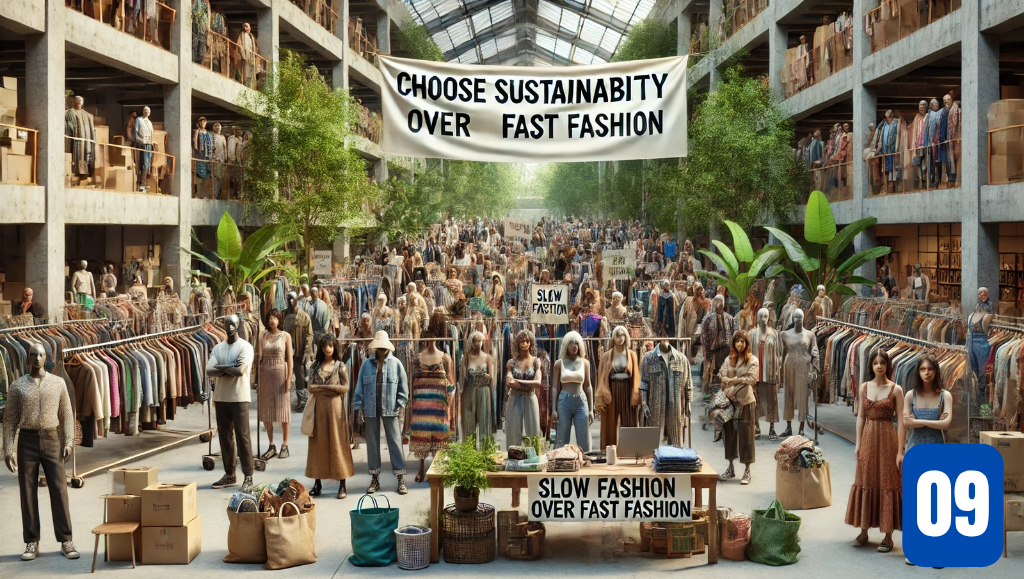
The antithesis of fast fashion. Slow fashion advocates for buying less but better — investing in high-quality, ethically made pieces that last. The slow fashion philosophy prioritizes craftsmanship, durability, and conscious consumption.
Circular Fashion
A fashion model designed to eliminate waste by keeping garments in use for as long as possible. Circular fashion includes design for longevity, repair, resale, rental, and recycling programs. A garment never “ends up” in landfill in a truly circular system — it is repaired, resold, remade, or recycled into new fiber.
Ethical Fashion
Focuses specifically on the human rights dimension of fashion — fair wages, safe working conditions, no child labor, no forced labor. Ethical certifications include Fair Trade, B Corp, and SA8000.
Conscious Fashion
A broad term describing fashion choices made with awareness of environmental and social impact. Being a “conscious consumer” means making informed choices about what you buy and from whom.
Greenwashing
When a brand makes misleading environmental claims without substantive sustainable practices behind them. Common greenwashing tactics: calling a collection “conscious” when it represents 1% of production; using vague terms like “eco-friendly” without certification; launching a single sustainable product while the rest of the line remains unchanged.
Upcycling
Transforming discarded or waste material into new, higher-quality garments. Brands and individuals who repurpose vintage fabrics, deadstock, or old garments into new pieces.
Deadstock
Excess fabric or unsold inventory from manufacturers that would otherwise be wasted. Many sustainable brands source deadstock fabrics to create new collections without generating new textile production.
Organic Cotton
Cotton grown without synthetic pesticides, herbicides, or GMO seeds, certified by GOTS (Global Organic Textile Standard). Uses significantly less water and fewer chemicals than conventional cotton.
Tencel / Lyocell
A fiber made from wood cellulose (usually eucalyptus) in a closed-loop process that recycles 99% of the water and solvents used. One of the most sustainable fabrics available.
Recycled Polyester (rPET)
Polyester made from recycled materials — most commonly plastic bottles. Reduces dependence on virgin petroleum and gives plastic waste a second life. Still sheds microplastics when washed.
The Sustainable Fashion Certifications to Know
When shopping sustainably, certifications provide third-party verification of brand claims.
GOTS (Global Organic Textile Standard): The gold standard for organic textile certification. Covers the entire production chain from fiber to finished garment. Requires both environmental and social criteria.
Fair Trade Certified: Guarantees farmers and workers receive fair prices and wages, safe working conditions, and community development premiums.
B Corporation: A certification for businesses that meet high standards of social and environmental performance, accountability, and transparency. Not fashion-specific but applicable.
Bluesign: Certifies that textile manufacturing meets high standards for chemical safety, resource efficiency, and worker safety.
OEKO-TEX Standard 100: Tests for harmful substances in finished textiles. Products certified under this standard are safe for human use but does not certify production practices.
Cradle to Cradle: A design and production standard for circular, regenerative products.
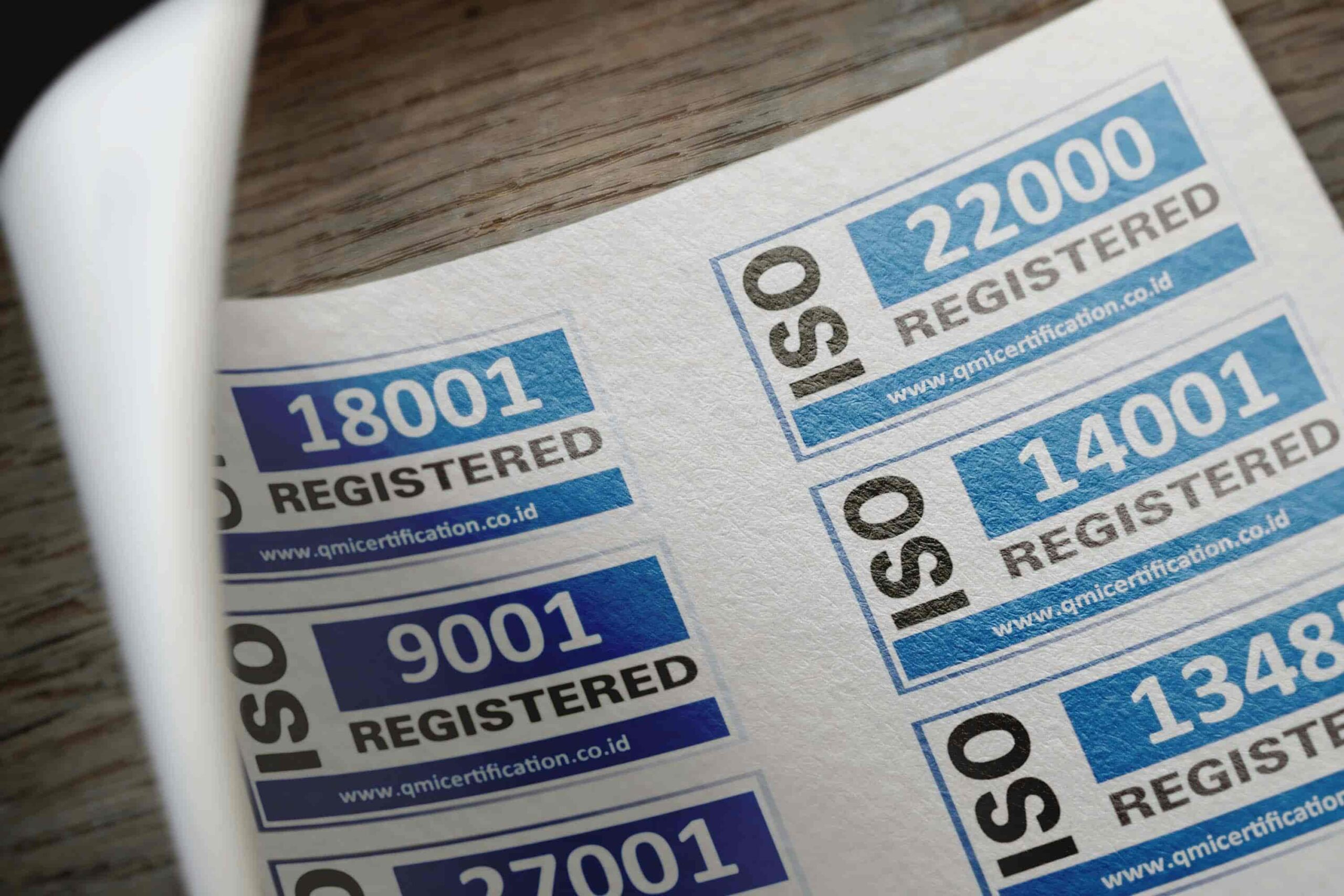
Sustainable fashion certifications including GOTS and fair trade labels on clothing
Most Sustainable Fabrics Ranked
Very Sustainable
Linen
Hemp
Tencel / Lyocell
Moderately Sustainable
Organic cotton
Recycled wool
Deadstock fabrics
Less Sustainable
Conventional cotton
Virgin polyester
Acrylic
How to Build a More Sustainable Wardrobe
Step 1: Shop Less
The single most powerful sustainable fashion action is consuming less. The most sustainable garment is the one that already exists. Before buying anything new, ask: Do I already own something that serves this purpose?
Step 2: Choose Quality Over Quantity
Invest in well-made pieces that last years, not months. A $120 well-constructed linen dress worn 50 times has a lower per-wear cost — and environmental footprint — than a $30 fast-fashion version worn 5 times.
Step 3: Buy Secondhand
Thrift stores, vintage shops, resale platforms (Depop, ThredUp, The RealReal, Vestiaire Collective) give existing garments a second life. The most sustainable garment is one that doesn’t require new production at all.
Step 4: Rent for Special Occasions
For formal events, weddings, or parties — occasions that require specific garments worn once or rarely — consider renting rather than buying. Rental platforms like Rent the Runway, By Rotation, and HURR circulate garments among multiple users.
Step 5: Choose Sustainable Fabrics
When buying new, choose natural, renewable, or recycled fibers: organic cotton, linen, hemp, Tencel/Lyocell, Piñatex (pineapple leather), recycled wool, or recycled polyester over virgin synthetic fabrics.
Step 6: Research Brands
Look for transparent brands that publish their supply chain information, hold certifications, and commit to ongoing improvement. The Good On You app rates fashion brands on environmental, labor, and animal criteria.
Step 7: Care for Your Clothes
Proper care dramatically extends garment life. Wash at lower temperatures (30°C washes clean most garments while using 40% less energy than 40°C). Air dry when possible. Follow care labels. Repair rather than discard.
Step 8: Donate, Sell, Swap
When a garment no longer serves you, give it a second life. Donate to genuine charity shops (not textile recycling that ends up in landfill). Sell on resale platforms. Swap with friends. Repurpose fabric for home use.
How to Spot Greenwashing
Look for warning signs:
vague words like “eco-friendly”
tiny sustainable capsule collections
no transparency reports
lack of certification
Always check brand disclosures and supply chain data.
The Future of Sustainable Fashion
Key industry shifts include:
digital product passports
circular legislation
resale market growth
regenerative agriculture fibers
AI demand forecasting
The Limits of Individual Action
It’s important to acknowledge: sustainable fashion is not only a consumer responsibility. The systemic issues of the fashion industry require systemic change — regulation, corporate accountability, and industry-wide transformation.
Brands and governments must do more. Extended Producer Responsibility legislation (making brands responsible for their products’ end-of-life) is growing globally. The EU’s Sustainable Textile Strategy is among the most ambitious policy responses to date.
Individual choices matter — collective consumer pressure shapes markets — but the heaviest burden must fall on the industry, not the individual.
In a world where trends change at the speed of a click and clothing is mass-produced at a rapid pace, Fast Fashion has become the norm. It’s tempting to follow the cycle of constant newness, but this culture of disposable clothing comes with a heavy price – both for the planet and for our personal style. As we become more aware of the environmental and ethical impacts of our fashion choices, it’s time to rethink our approach. “Fashion Detox” is about breaking free from the fast fashion trap and embracing a more sustainable, mindful way of dressing. Moving away from fast fashion culture is essential in third-world countries due to its exploitation of cheap labor, leading to poor working conditions and low wages. It contributes to environmental degradation, as waste and pollution from the industry disproportionately affect vulnerable communities. Overconsumption strains local resources and perpetuates unsustainable practices. Additionally, fast fashion undermines traditional craftsmanship, threatening local economies and cultural heritage. Shifting to sustainable practices promotes fair labor, environmental health and long-term economic stability. Transitioning away from fast fashion culture requires a shift in mindset, habits and consumption patterns. Here are actionable steps to help make this transition:
Educate Yourself :
It involves gaining a deeper understanding of the impact of fast fashion on the environment, workers, and society. Knowledge can be gained by researching how fast fashion contributes to pollution, waste and unethical labor practices. And also exploring documentaries, books and articles that shed light on sustainable fashion and ethical production. Learning about sustainable materials, fair trade and circular fashion principles. The user should familiarize themselves with brands that prioritize transparency and ethical practices. Following activists, designers and organizations who promote slow fashion on social media for regular insights. By educating themselves, they can become more conscious of the consequences of their purchases and empowered to make informed decisions. Knowledge is the foundation for embracing more sustainable consumption patterns.
Educate Yoursel
Adopt a “Less Is More” Mindset :
Transitioning away from fast fashion starts with embracing minimalism in the user’s wardrobe. Instead of chasing trends, users should focus on quality over quantity—choosing timeless, versatile pieces that last longer. A “Less Is More” mindset encourages mindful purchasing, reducing impulse buys and ensuring every item serves a purpose. This shift not only saves money but also minimizes waste and supports sustainable fashion practices.
Adopt a “Less Is More” Mindset
Shop Secondhand :
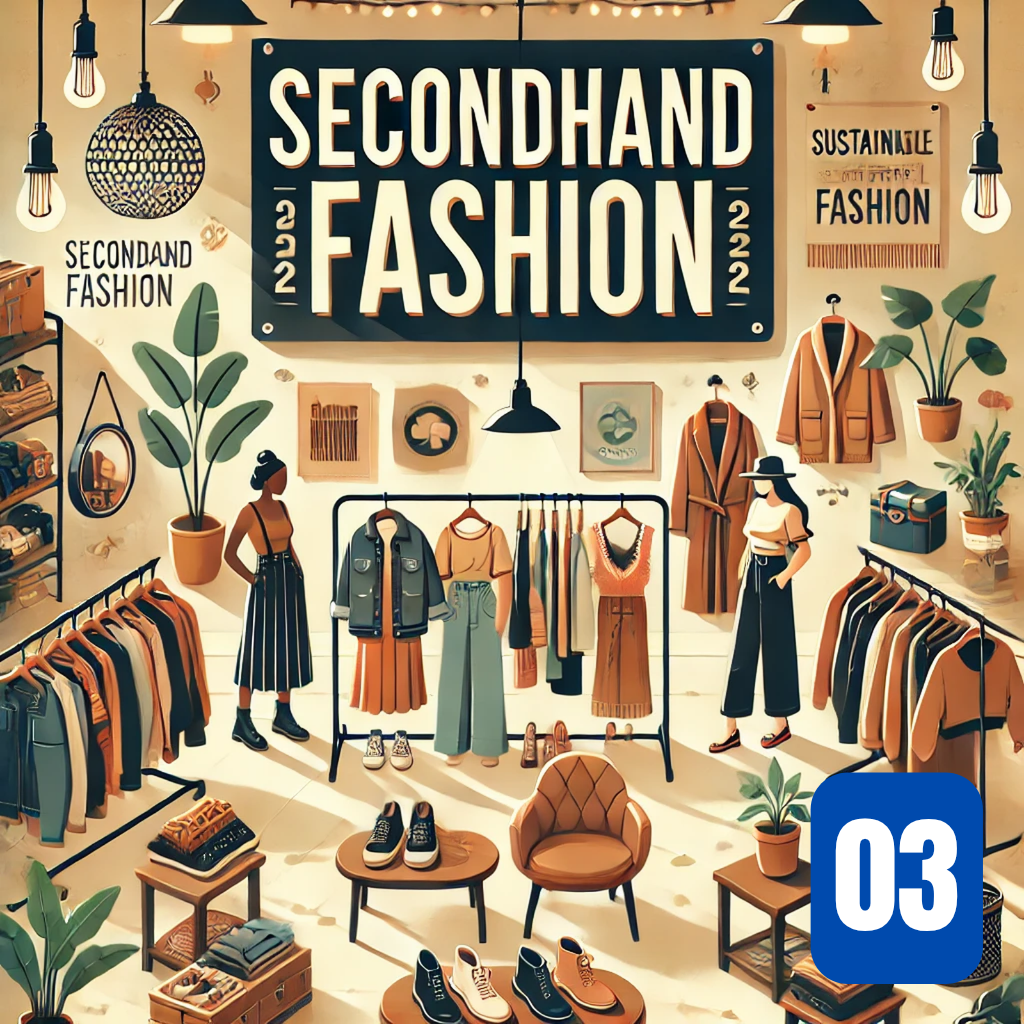
One of the best ways to move away from fast fashion is to embrace secondhand shopping. Thrift stores, vintage shops and online resale platforms offer unique, high-quality clothing at affordable prices. Buying pre-loved fashion reduces waste, extends the life cycle of garments and minimizes the demand for new production, which is often resource-intensive. Shopping secondhand not only helps the planet but also allows the users to express their personal style with one-of-a-kind pieces.
Shop Secondhand
Support Ethical Brands :
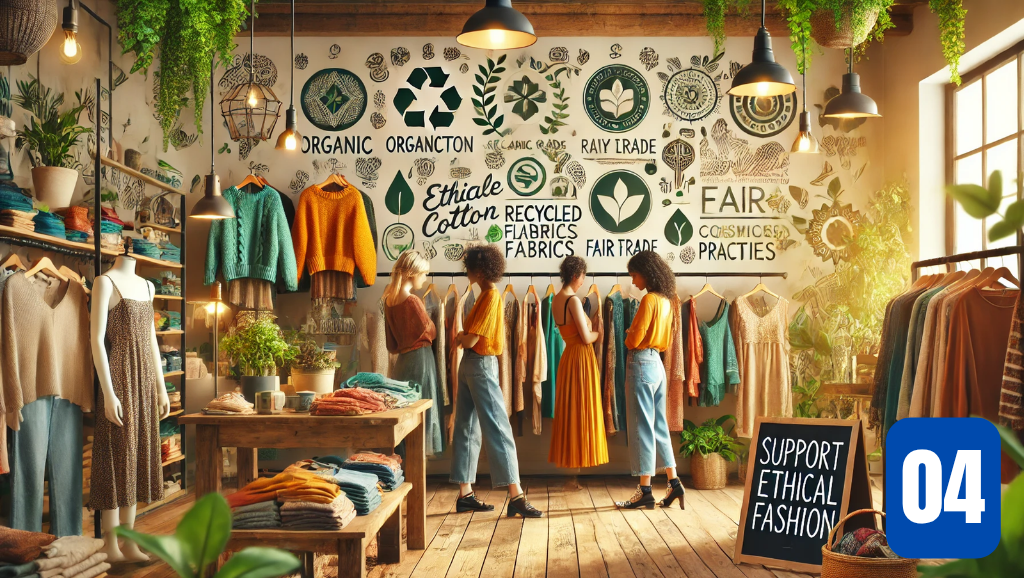
Supporting ethical brands means prioritizing clothing companies that are transparent about their production processes, prioritize fair wages and use sustainable materials. Brands with certifications like Fair Trade or GOTS (Global Organic Textile Standard) are most applicable in this regard. Looking for labels indicating organic, recycled or ethically sourced materials. Purchasing from these brands not only ensures quality but also supports ethical labor practices and environmentally friendly production. This approach aligns user’s shopping habits with values of sustainability and fairness, helping to shift away from fast fashion culture.
Support Ethical Brands
Take Care of Your Clothes :
Extending the life of the user’s garments is a simple yet powerful way to combat fast fashion culture. It can be started by following care labels to wash clothes at the correct temperature and avoid harsh detergents that weaken fibers. Air-dry garments instead of using a dryer to reduce wear and tear. Mend small damages like loose buttons or minor tears rather than discarding the item. Store the clothes in a proper way by folding knits to prevent stretching and using padded hangers for delicate fabrics. Rotating wardrobe to evenly wear items and prevent overuse of favorites. Regularly clean shoes and accessories to maintain their longevity. By treating the clothes with care, a user not only save money but also reduce the demand for constant replacements, which helps the environment.
Take Care of Your Clothes
Rent or Borrow Clothes :
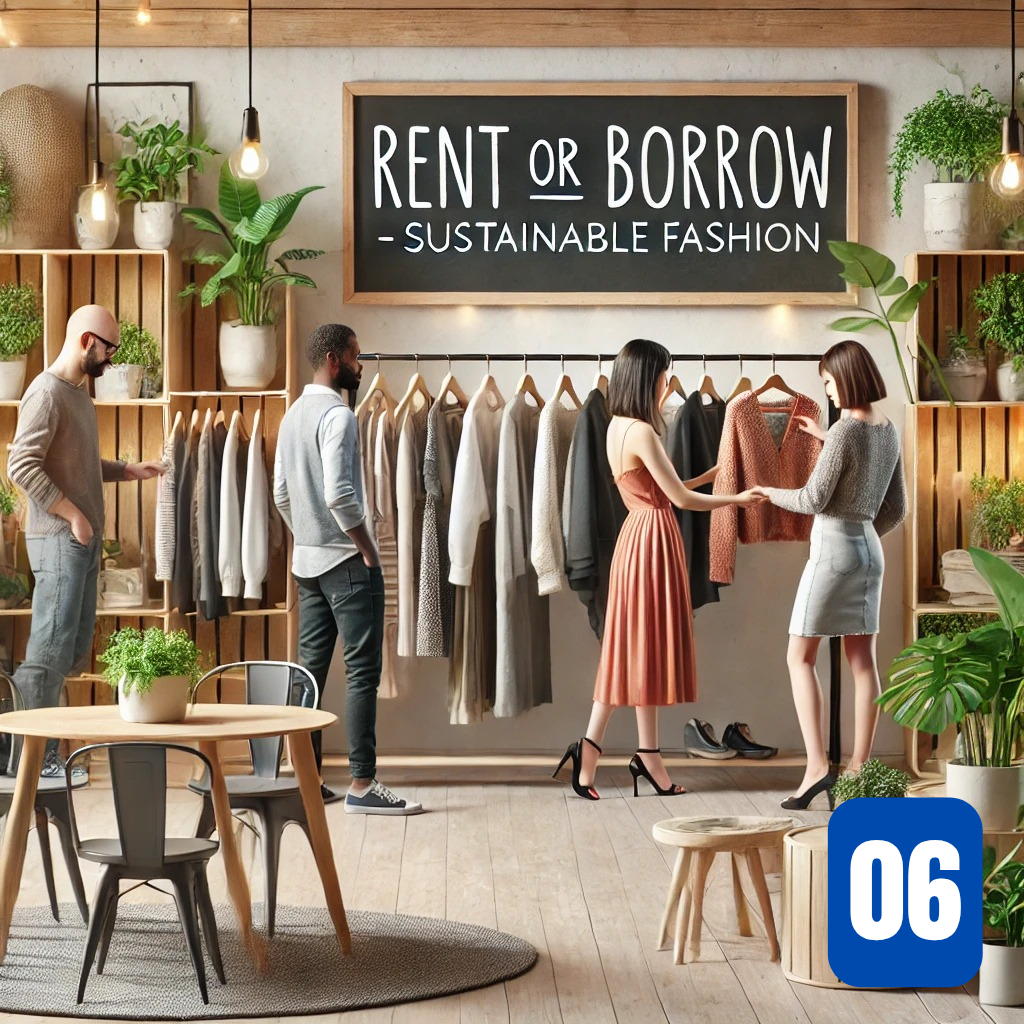
It is an excellent way to reduce reliance on fast fashion while embracing sustainable practices. Instead of buying new outfits for special occasions or events, consider renting clothing from rental platforms or borrowing from friends and family. This approach allows the users to enjoy variety and style without contributing to overproduction or waste. Renting ensures that garments are reused multiple times, extending their lifecycle and reducing environmental impact. For casual or daily wear, borrowing from loved ones can foster a sense of community and sharing. By choosing this option, users can also save money and avoid cluttering their wardrobe with items that might only be worn once. Supporting rental businesses promotes a circular economy and helps normalize alternative consumption patterns.
Rent or Borrow Clothes
Be a Conscious Consumer :
To transition away from fast fashion, users should focus on being a conscious consumer. This involves carefully evaluating the brands and products they support. By looking for items that are made from sustainable materials, produced ethically and designed to last. Prioritize quality over quantity, avoid impulse purchases and choose secondhand or upcycled options when possible. Being a conscious consumer is about aligning their values with their spending habits, reducing waste and supporting ethical practices in the fashion industry.
Be a Conscious Consumer
Be a Conscious Consume
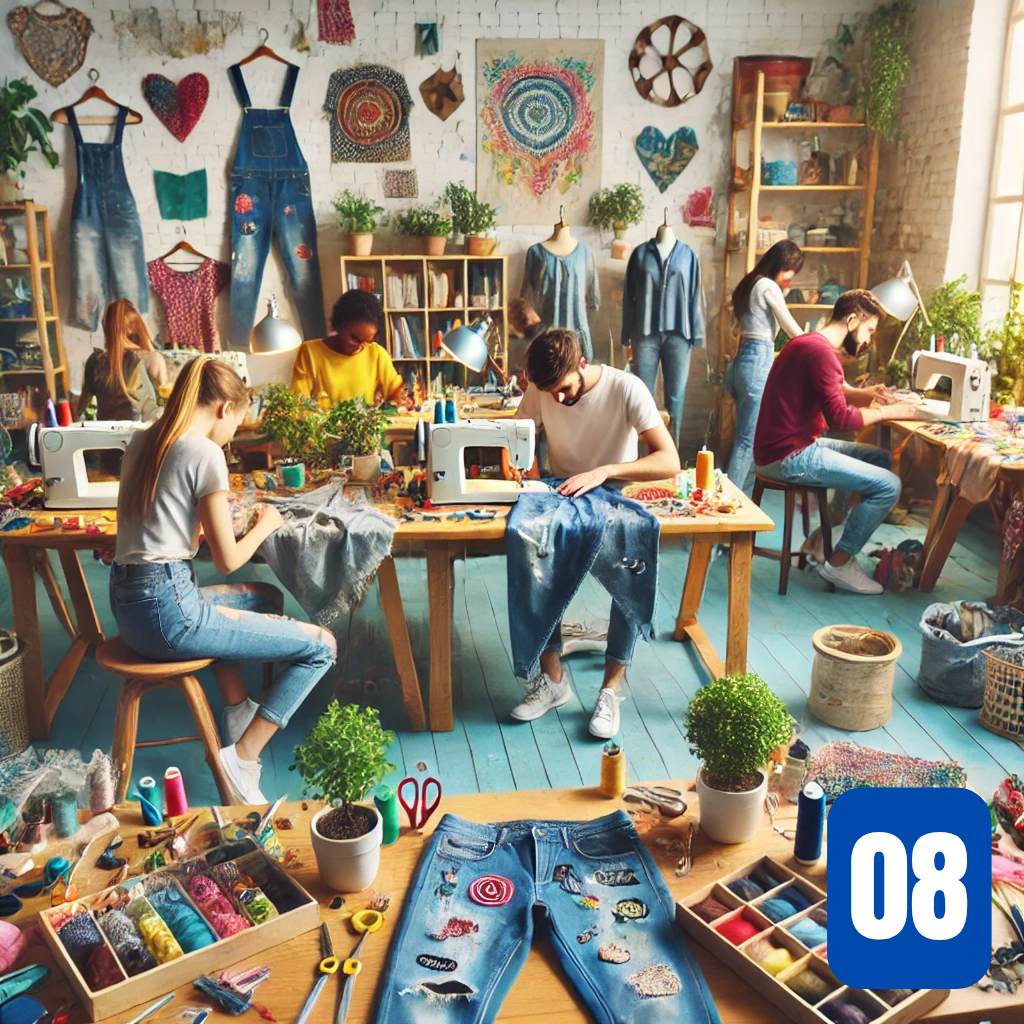
Embrace DIY and Upcycling :
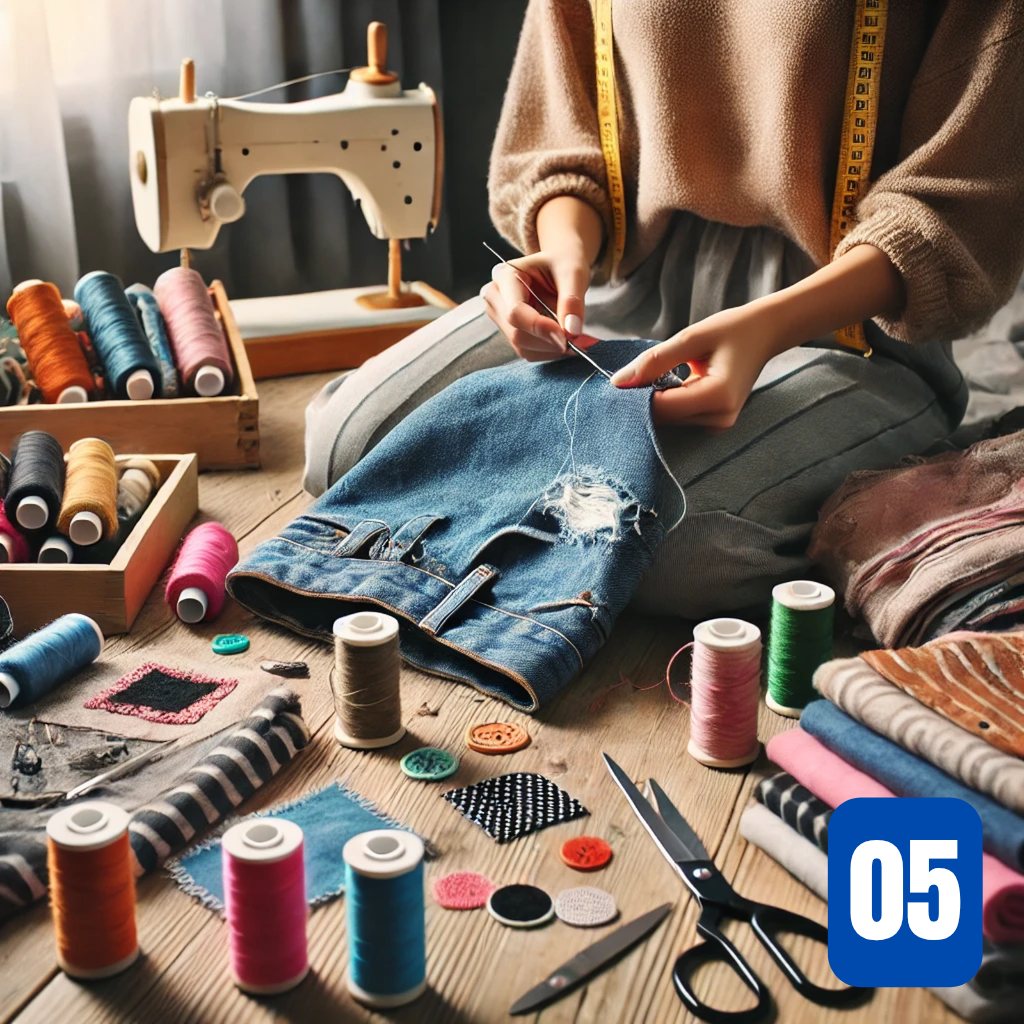
It involves reimagining old or unused clothing to reduce waste and cultivate a more sustainable wardrobe. Instead of discarding worn-out or outdated items, users can transform them into something fresh and unique. This could mean turning an old pair of jeans into shorts, adding patches to a jacket or sewing decorative elements onto a plain t-shirt. Learning basic sewing, stitching or crafting skills can make this process enjoyable and rewarding. Additionally, upcycling allows the users to express personal creativity and create one-of-a-kind pieces that reflect their style. By embracing DIY, they can extend the life of their clothes, save money and reduce the demand for new fast fashion products. It’s a practical way to minimize waste and align the wardrobe with sustainable values.
Embrace DIY and Upcycling
Embrace DIY and Upcyclin
Spread Awareness :
That involves educating others about the environmental and social impacts of fast fashion. One can start it by sharing facts and stories on social media, emphasizing the harmful practices in garment production and the benefits of sustainable alternatives. They can also engage in conversations with friends, family and colleagues to discuss the hidden costs of cheap clothing, such as exploitative labor and pollution. Moreover, supporting and amplifying the voices of ethical fashion advocates and organizations; hosting or attending events like clothing swaps, documentary screenings or sustainability workshops. Encourage transparency by asking brands about their supply chain practices. The goal is to inspire others to rethink their buying habits and collectively demand better standards in the fashion industry.
Spread Awareness
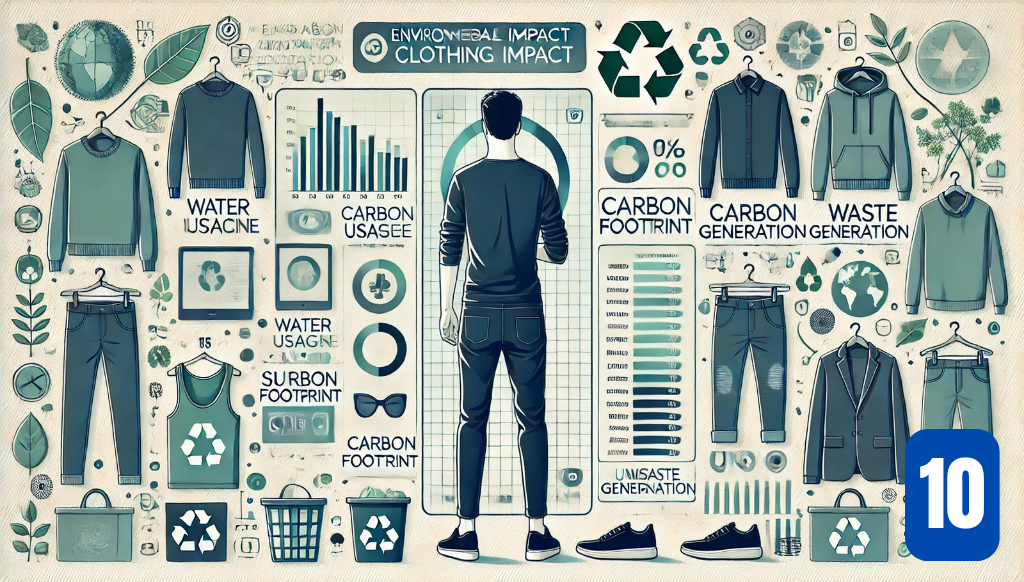
Measure Your Impact :
It involves understanding the environmental and social consequences of users’ clothing choices to make more informed decisions. They should research the carbon footprint, water usage and waste generated by fast fashion brands. Using tools like online carbon calculators to estimate their wardrobe’s environmental impact. Analyze how often they wear items and identify pieces that go unused. By tracking their shopping habits, they can note how frequently they purchase and discard clothes. Consider the broader implications, such as labor conditions and resource exploitation behind fast fashion production. By quantifying their impact, they gain a clearer picture of how their choices contribute to global issues. This awareness can motivate more sustainable behaviors, like choosing quality over quantity and supporting ethical brands. Measuring their impact turns abstract concerns into tangible goals for reducing consumption and waste.
Measure Your Impact
Embracing sustainable alternatives to fast fashion is not just an environmental responsibility but also a step toward social and economic justice. By supporting ethical practices, we can empower workers, protect natural resources and foster local industries. It is a collective effort that requires mindful consumer choices and advocacy for fair policies. The journey toward a Fashion Detox is personal, but it’s one that has the power to transform both our closets and our world for the better. Transitioning away from Fast Fashion ensures a more equitable and sustainable future for all. Together, we can break the cycle of exploitation and environmental harm. Let’s choose timeless style over temporary trends and be part of a fashion revolution that values longevity over speed.
SUDIPTO BANIK
University: Bangladesh University of Textiles (BUTEX)
If you want to know about M&L Creative, the Number One Choice for Sustainable Brands, you can read it here!Griselda is the founder of lili, a brand of upcycled jewelry that invents unique pieces reusing discarded jewelry materials based in New York. Today along with Kazi Purba, we will explore the initiatives of Auda and her plans with lili in Fashionnovation’s exclusive interview.
Ms. Griselda, please tell us something about yourself.
My name is Griselda. I was born and raised in Honduras. I’ve been living in Ithaca, New York for 5 years.
I am a content creator for Slow Fashion Movement (@slowfashion.movment) and the team leader for the LATAM local group (@slowfashionlatam) which is part of Slow Fashion Movement.
Ms Griselda, the founder of ‘lili’, a brand of upcycled jewelry that invents unique pieces reusing discarded jewelry materials. Courtesy: Griselda.
We have 20 local groups around the world!
Also, I have a platform on Instagram to help raise awareness about the negative impacts of the fashion industry ( @responsible_forwardfashion)
Starting a new life in another country is not easy — at least it hasn’t been for me. Being away from my family and friends is undoubtedly the most difficult thing. And then, leaving my job and starting a new life ….
I can barely describe in words how important lili is for me, as my first entrepreneurial venture. I am filled with hope, enthusiasm, and excitement!
What’s the story behind your brand ‘lili’? What drove you to establish it?
When I discovered the negative and destructive impact of the fashion industry, I decided to create a platform to help raise awareness about sustainable fashion. With this platform, the idea of lili was born: a brand of upcycled jewelry that invents unique pieces reusing discarded jewelry materials. By bringing unused pieces to life again, we lengthen the life cycle of materials and prevent them from ending up in landfills.
I also want to create jewelry from scratch, with materials that I find in second-hand stores or with vintage components. In this way, I can create my own designs and be able to grow!
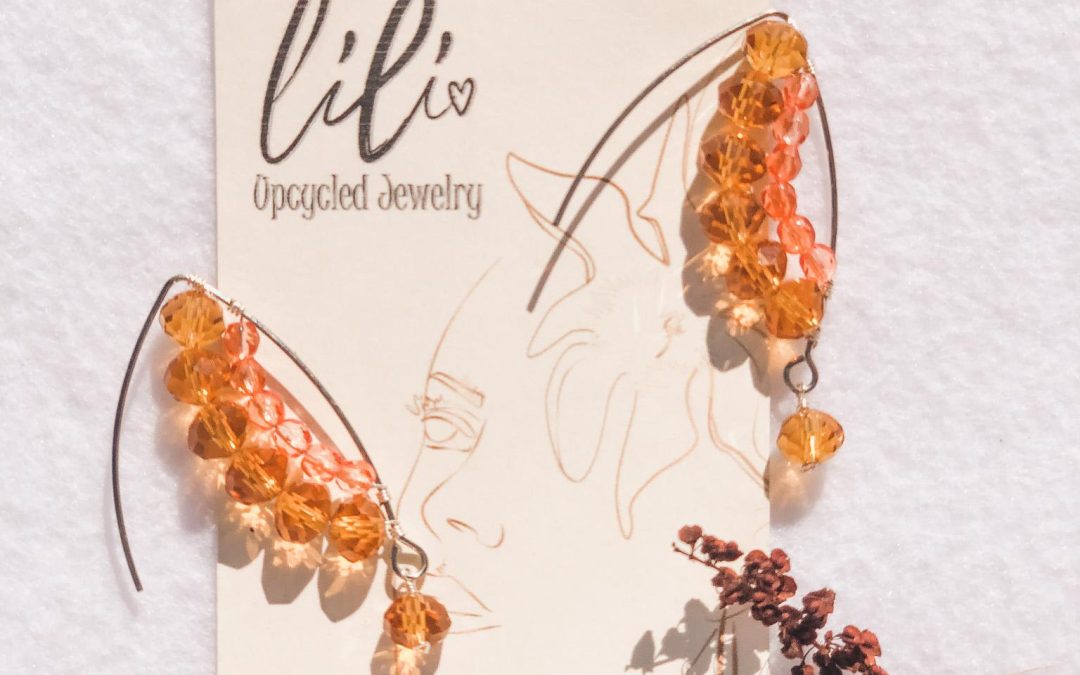
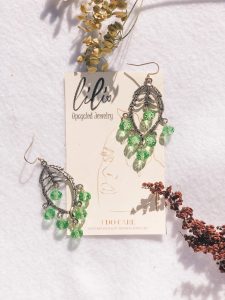
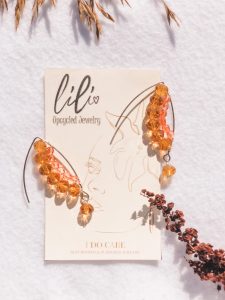
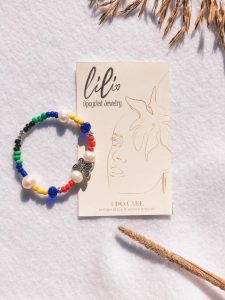
Creative and sustainable products of lili. Courtesy: Griselda.
I have always loved jewelry. A good friend taught me basic skills, and since then I have been learning on my own. Up until a few months ago I have done it just for myself, or to give as gifts, but now I am doing it with purpose, to help the planet!
What’s your product range?
As a jewelry lover, I adapt repurposed materials in earrings, necklaces, bracelets, rings, and bookmarks!
I just follow my muse when it comes…!
lili, a brand of upcycled jewelry. Courtesy: Griselda.
Since it’s an upcycled brand, every piece is unique. For example, my first collection was made with materials that I had on hand, with beads from jewelry that I no longer wore.
Recently I got a donation of unwanted jewelry. I can’t wait to upcycle them!
Creative and sustainable products of lili. Courtesy: Griselda.
What is something special you offer to your customers through your brand?
With my brand, I try to inspire others to consider giving a second life to their things, while looking good, and feeling good with unique pieces. My aim is to REPURPOSE & RELOVE!
How are you promoting sustainability with your work?
Of course, environment and social impact are the core values of my brand!
Fashion is one of the least regulated industries globally. It has an enormous climate, labor, and material impact. I aim to increase awareness and conscious consumption through my brand.
I believe that the fashion industry needs far-reaching systemic change in order to tackle poverty, inequality and environmental degradation.⠀⠀⠀⠀⠀⠀⠀
What are your future plans for your brand?
I am working on a business plan. For now I am on Instagram, Facebook, Depot, and Poshmark. But I hope to open an Etsy shop in the near future.
Here are the links to find Griselda and her brand ‘lili’!